Emergency services and safety
- Emergencies
- Emergency assistance
- Emergency response services
- First aid training
- Important student information
- Course information
- Public courses
- Private courses
- Provide Cardiopulmonary Resuscitation (CPR)
- Provide basic emergency life support
- Provide first aid (includes CPR)
- Provide first aid in an education and care setting
- Provide first aid in a remote or isolated site
- Provide advanced first aid
- Provide Pain Management
- Provide advanced resuscitation and oxygen therapy
- Request a custom training quote
- Utilities contacts
- Disasters
- Preparing for disasters
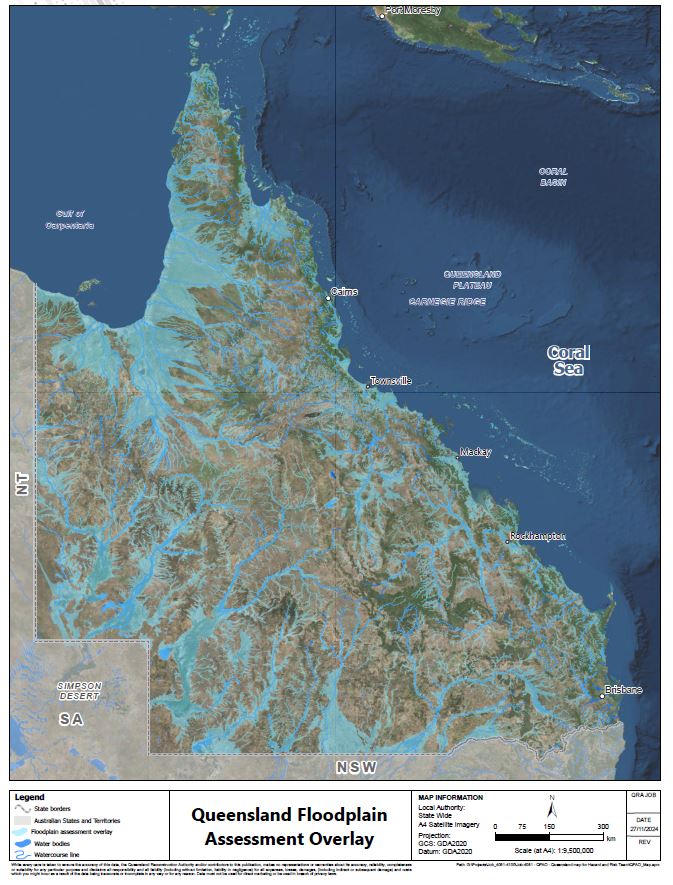
- Flood maps, weather warnings and emergency alerts
- Recovery after a disaster
- Types of disasters
- Bushfires
- Bushfire aware
- Current bushfires and warnings
- When is fire season in Queensland?
- Queensland Fire Department
- Are you bushfire aware?
- Tune in to bushfire warnings and local conditions
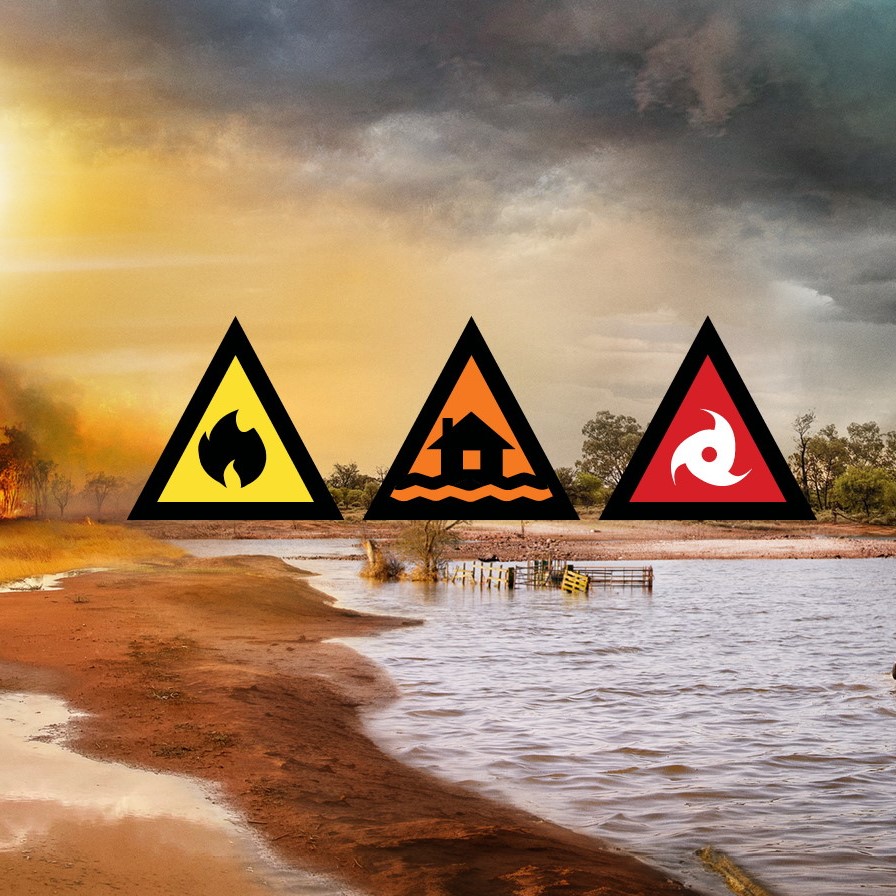
- Bushfire warnings levels
- Learn how to check your Daily Fire Danger Rating
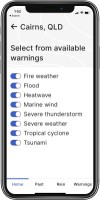
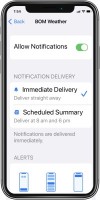
- BOM Weather App fire weather warning notifications
- Bushfire risks and hazards
- Fire bans and restrictions
- Fire permits
- Council disaster dashboards
- Driving and bushfire awareness
- Understanding fire weather
- Climate change and bushfire
- Basic bushfire awareness
- Bushfire myths
- Bushfire education resources
- Bushfire documentaries
- School closures
- Bushfire prepare
- Make your Bushfire Survival Plan
- Bushfire Evacuation Kit
- Bushfire Emergency Kit
- Emergency alerts - voice or text messages
- About evacuation centres
- Insurance and bushfires
- Bushfire preparedness for people with disability
- Prepare your home for bushfire season
- Prepare your garden for bushfire season
- Plan to protect your pets
- Small business bushfire preparation
- Primary producer bushfire preparation
- Predicting and preparing for bushfires
- Bushfire mitigation in Queensland
- Parks and forests fire management
- Translated fact sheets about bushfires
- Bushfire warnings and current incidents
- Bushfire recovery and assistance
- Current bushfires and warnings
- Disaster recovery support
- Community Recovery hub locations
- Translated fact sheets about financial assistance grants after a bushfire
- Housing help after a bushfire
- Insurance after a bushfire
- Managing stress after a bushfire
- Family relationships after a bushfire
- Support groups after a bushfire
- Small business disaster hub
- Legal Aid Queensland
- How can I help?
- Volunteering for disaster recovery
- Caring for wildlife
- Bushfire health and safety
- Make your Bushfire Survival Plan
- Mental health and wellbeing
- Bushfire smoke and your health
- Air quality and bushfires
- Live air quality data and health action levels
- Fire bans and restrictions
- Bushfire smoke and safety at work
- Helping children understand bushfires
- Ash from copper chrome arsenate (CCA) treated timber
- Bushfires and roof-harvested rainwater
- Cleaning a smoke affected home after a bushfire
- Hazardous materials to be aware of after a bushfire
- Using alternative fuel and electricity generation safely during power outages
- Using your personal protective equipment after a fire
- Bushfire fighting water additives and health
- Asbestos hazards after a fire
- Smoke alarms
- Outdoor fire safety
- Bushfire resilient homes and rebuilding
- building-in-bushfire-prone-areas.jpg
- Rebuilding advice from the Queensland Building and Construction Commission
- Bushfire Rebuild Register
- Find licensed tradespeople for bushfire repairs
- Guide to building and renovating
- Bushfire Resilient Building Guidance for Queensland Homes
- Design a new home or building to improve bushfire resilience
- Retrofitting your home to improve bushfire resilience
- Bushfire Resilience Rating Home Self-Assessment app
- Permit requirements for rebuilding after a natural disaster
- Building in bushfire prone areas
- Landholder clearing guides
- For councils and disaster management practitioners
- Role of local government in a disaster
- Disaster management resources
- Recovery resources and funding
- Resilience resources and funding
- Neighbourhood Safer Places
- Bushfire Communication Toolkit
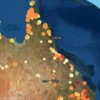
- Bushfire data
- Inspector-General of Emergency Management (IGEM)
- Personal information sharing during emergencies
- Natural Hazards Research Australia
- Geoscience Australia
- Archive-bushfires
- bushfire.jpg
- Bushfire and the media
- Bushfire aware
- Cyclones and severe storms
- Flood
- Flood aware
- About floods
- Understand your flood risk
- Types of flooding
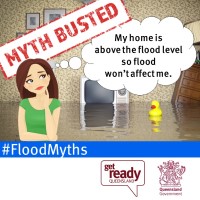
- Flood myths
- Floodwater safety
- Check road conditions
- Stay safe around floodwater
- Road safety during wet weather
- Flood road barriers and signs
- Know the dangers
- Driving safety - Prepare to stay safe
- 365325e574f3ef4e2fd1ff20aaafe1854064e6cb.png
- local-radio.png
- wait-it-out.png
- alternative-transport.png
- 000-emergency-call.png
- medications.png
- emergency-contacts.png
- phone-charger.png
- school-and-childcare-arrangements.png
- family-friends-on-call.png
- work-plans-and-work-from-home.png
- Speak-to-each-driver-in-your-household.png
- emergency-numbers.png
- seek-local-advice.png
- Water-levels-and-warning-signs.png
- alternative-route.png
- driving-safety-flood.jpg
- Swiftwater rescue
- Extreme weather
- Catchments and basins
- Climate outlooks and climate change
- Flood terms
- History of floods
- Take the floods quiz
- Flood prepare
- Flood warnings and alerts
- Tune into local flood warnings
- Understanding flood warnings
- Australian Warning System (AWS)
- BOM Weather App flood warning notifications
- Local government disaster dashboards
- How flood warnings work in a catchment
- Emergency alerts - voice or text messages
- Evacuation
- Understand your flood risk
- Difference between ‘Flood Watch’ and ‘Flood Warning’
- Flood warning infrastructure
- Flood classifications
- School closures
- Energex
- Ergon Energy Network
- Flood financial support and services
- Flood assistance and recovery
- Community Recovery Hotline
- For individuals impacted by flood
- Community recovery hubs and support services
- Housing and accommodation
- For business impacted by flood
- Small business disaster hub
- For non-profit organisations impacted by flood
- For primary producers impacted by flood
- Returning home and physical and mental health
- How you can help
- Translated fact sheets
- Local government disaster dashboards
- Proof of identity
- Replacing lost or destroyed documents
- Legal Aid Queensland
- Flood resilient homes and rebuilding
- Flood insurance
- Caring for wildlife
- Flood health and safety
- Energex
- Ergon Energy Network
- Reconnecting electricity and water
- Emergency services and safety
- Register Find Reunite
- Returning to affected homes and buildings after flood
- Pools and water tanks after a flood
- Home and property repairs after a flood
- Bacterial infections after a flood
- Floodwater contamination
- Food and drinking water
- Mould after a flood
- Using alternative fuel and electricity generation safely during power outages
- Asbestos after a flood
- Drugs and poison disposal after a flood
- Managing stress after a flood
- Family relationships after a flood
- Support groups after a flood
- Talking to children about floods
- Mosquitos after a flood
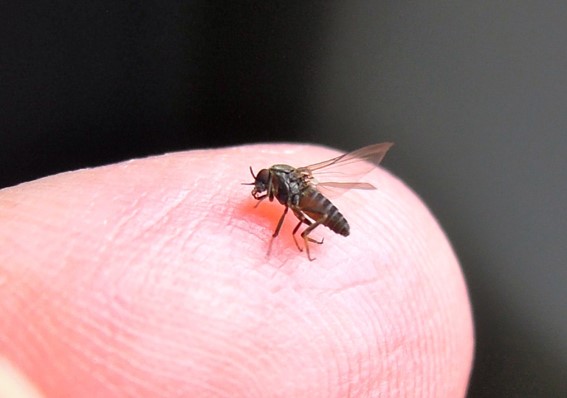
- Black flies after a flood
- Flood resilient homes and rebuilding
- For councils and flood practitioners
- Disaster management resources
- Australian Warning System Resources
- Recovery resources and funding
- Resilience resources and funding
- Flood maps, flood data and resources
- Flood risk management policies and resources
- Flood warning infrastructure resources
- Flood resilience case studies
- Flood communication resources
- Flood Community of Practice
- Personal information sharing during emergencies
- Landing page tiles
- Flood and the media
- Flood aware
- Heatwave
- Storm surge
- Tsunami
- Landslides
- Earthquakes
- Drought
- Pandemic influenza
- Bushfires
- Disaster recovery information in your language
- For councils and disaster management practitioners
- Safety
- Safety in the home
- Poisons
- Personal safety
- Planning for your safety
- Electrical safety
- Fire safety at home
- Drug and alcohol safety
- Gas safety
- Using natural gas and LPG safely
- Public register of gas work licence and authorisation holders
- Gas safety campaign
- Gas safety videos
- Gas cylinder safety
- Safe transport of cylinders
- Gas fuelled engines
- Gas flue terminals in recreational vehicles (RVs)
- Vehicle air conditioning and gas safety
- Portable food steamer gas safety
- Gas safety for flood-affected consumers
- Home safety
- Asbestos safety
- Safety of children
- Safety at work
- Safety in the community
- Transport and travel safety
- Recreational safety
- Fire safety
- Explosives and fireworks
- Explosives
- Fireworks
- Complaints about explosives or fireworks
- Industry information
- Contact the Explosives Inspectorate
- Safety in the home
- Your community
- Careers and volunteering
- Local government information
- Disaster and emergency services reforms
- Police and emergency service reforms