Rangers work in partnership to restore ecological and cultural integrity across islands
Aims and overview
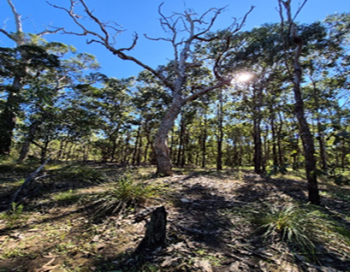
The Great Sandy Straits (Korrawinga) RAMSAR site is home to unique ecosystems and culturally significant sites for the Butchulla people. The Butchulla Native Title Aboriginal Corporation (BNTAC) Djaa Narawi Rangers are working in partnership with the Burnett Mary Regional Group (BMRG), on the ‘Healing Korrawinga’ project to restore ecological and cultural integrity across 10 islands in this region. The project focuses on addressing degradation caused by invasive species, protecting endangered shorebird habitats, and implementing traditional cool burning techniques to rejuvenate native vegetation. The project is bridging traditional knowledge and modern conservation practices, fostering a deep and continued connection to Country and empowering the community to protect their natural and cultural heritage.
Activities and outcomes
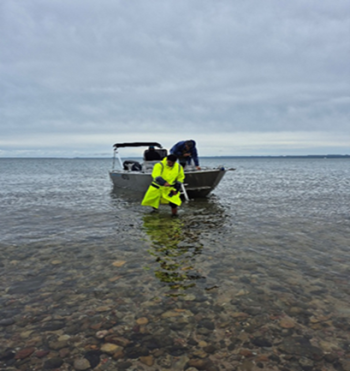
The project began with planning and consultation between BNTAC, BMRG, and other stakeholders. The Butchulla community identified and approved the 10 islands to be included in the project, ensuring it is led by Traditional Owners. During the first stage, Rangers conducted cultural heritage assessments across the islands to identify and document sites of cultural significance including a shell midden and stone tools. These assessments addressed major knowledge gaps and provided a foundation for prioritising conservation efforts. Habitat condition surveys were also carried out to evaluate the ecological state of each island, focusing on weed infestations and their impact on native vegetation. This data will serve as a benchmark for monitoring ecological changes and guiding future interventions. Pest animal surveys were conducted to establish a baseline understanding of invasive species populations and their ecological impacts. This information will inform targeted pest management strategies to protect native flora, fauna, and culturally significant sites.
The project has already yielded significant benefits. Cultural heritage assessments have deepened understanding of the Butchulla people’s connection to Country, while habitat condition surveys have provided critical insights into the challenges posed by invasive weeds. For example, some weed species, such as prickly pear, act as stabilising vegetation on shorelines, highlighting the need for careful management to avoid coastal erosion. Similarly, lantana provides habitat for vulnerable species like the Black Breasted Button Quail, requiring a balanced approach to weed removal.
Learnings and next steps
The project has already provided valuable lessons for future conservation efforts. Cultural heritage assessments revealed the importance of prioritising sites impacted by invasive weeds to ensure their protection. In areas designated for cool burning, manual vegetation removal may be necessary to safely carry out traditional fire practices, supporting both cultural and ecological objectives.
Habitat condition surveys highlighted the need for high levels of care when treating invasive species to avoid harming native vegetation. Challenges such as the biomass of weeds, accessibility due to tidal conditions, and difficult terrain have underscored the importance of strategic planning and resource allocation.
Looking ahead, Stage 2 of the project will focus on the on-ground works, including fire management actions, weed removal, pest animal control, and the protection of significant Butchulla sites. The team will collaborate with BNTAC, the State Government, and service providers to develop a values-based management plan and secure necessary permits for pest control activities.
The next steps also include refining conservation strategies, such as designing robust fencing to protect sensitive areas and exploring alternative methods for weed disposal, such as solarisation and burning. By addressing these challenges, the project aims to deliver long-term ecological and cultural benefits, ensuring the preservation of the Korrawinga for generations to come.