Restoring critical Mary River Cod habitats using salvaged timber on Kabi Kabi Country
Aims and overview
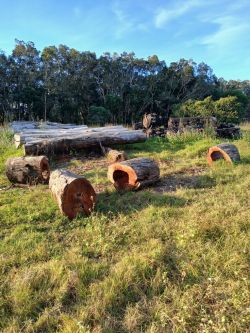
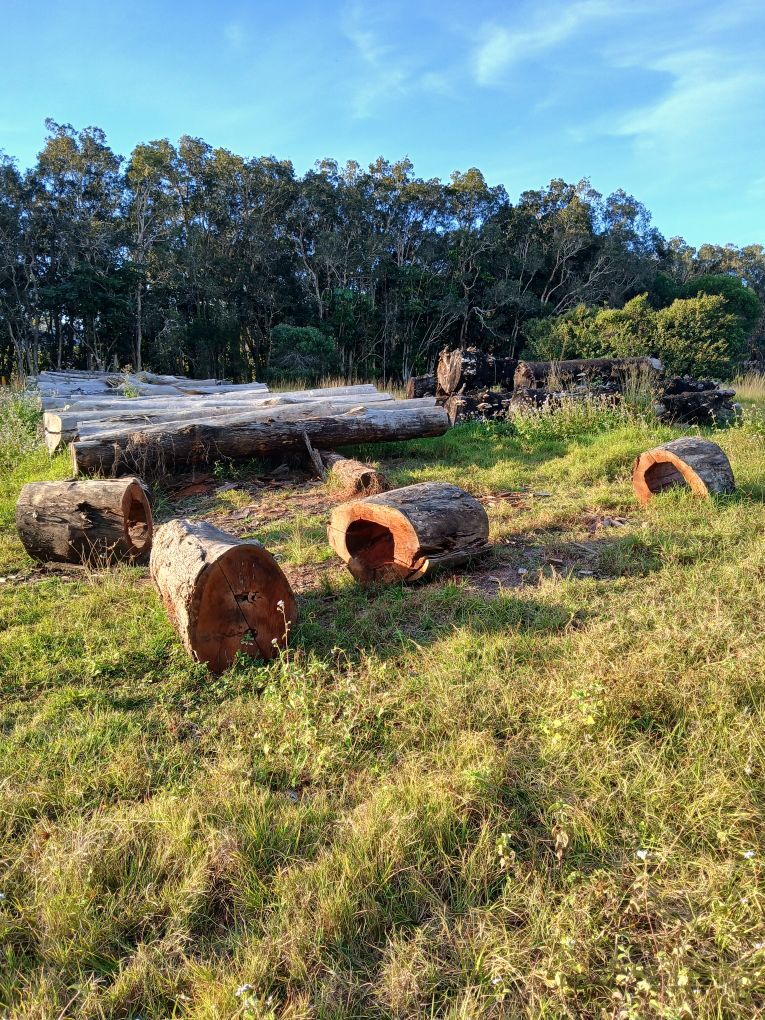
In collaboration with the Mary River Catchment Coordinating Committee (MRCCC), the Kabi Kabi Land and Sea Rangers (KKLSR) undertook a project to create and install habitat logs in parts of the Mary River catchment. These sunken and secure hollow logs are critical for the survival and breeding success of the endangered Mary River Cod (Maccullochella mariensis). The logs were crafted from salvaged trees removed during development on Kabi Kabi Country.
The project aimed to provide vital habitat for the Mary River Cod while equipping the Rangers with the skills to fabricate and install hollow log habitats. This initiative is particularly significant to the KKLSR, as the Mary River catchment is a vast and culturally important site of occupation for the Kabi Kabi people.
Activities and outcomes
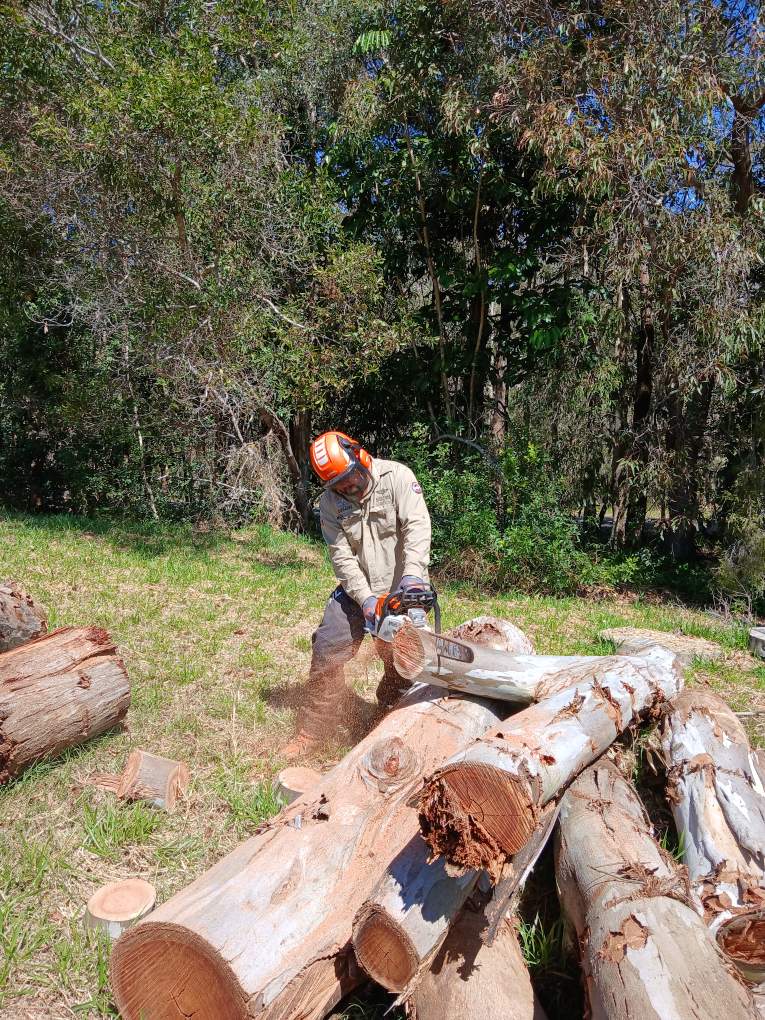
The project began through the collaborative relationship between MRCCC and KKLSR, with the Rangers briefed on the ecological status and vulnerability of the Mary River Cod by MRCCC, which set the stage for a habitat log formation workshop and fabrication.
KKLSR conducted site visits to assess potential locations for the habitat logs and were trained in monitoring techniques. They have successfully created and installed multiple habitat logs in the Mary River catchment, expected to provide critical shelter and breeding grounds for the Mary River Cod.
In addition to achieving the primary goal of creating and installing the habitat logs, the project delivered unexpected benefits. The Rangers gained a deeper understanding of the Mary River Cod’s ecological requirements and the overall health of the Mary River catchment. They also learned about key flora and fauna species that indicate suitable habitats, the cost factors involved in restoration projects, and the use of advanced technology such as underwater cameras and video recording for monitoring and data collection.
Learnings and next steps
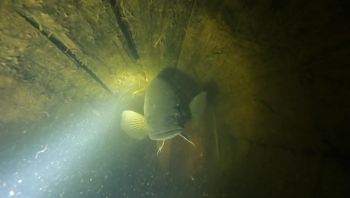
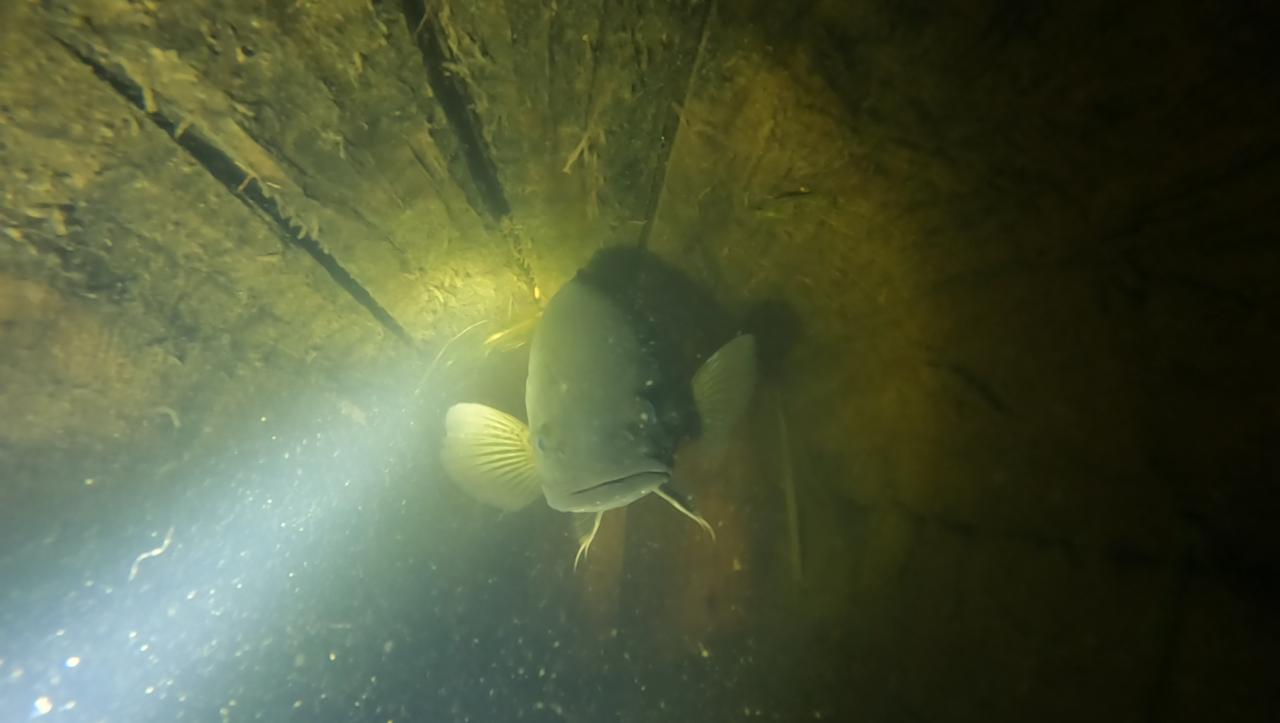
The project provided valuable learning opportunities for the KKLSR. The Rangers acquired practical skills in fabricating the logs from salvaged timber and gained experience in the logistics of installing and securing these structures in the river. Additionally, they developed a broader understanding of river health, the threats to waterway ecosystems, and strategies to mitigate further damage. The project also highlighted the importance of monitoring and data collection to inform future decision-making and conservation efforts.
Looking ahead, the next steps involve ongoing assessments of the Mary River catchment to evaluate habitat health and monitor the success of the installed hollow logs. With the technology and equipment now available, the Rangers are well-equipped to conduct routine checks, capturing underwater images and videos to document activity.
This project has strengthened the relationship between MRCCC staff and the Rangers. This partnership has the potential to lead to future collaborative projects, further supporting the health of the Mary River catchment and the preservation of its unique ecosystems.