Mapoon Rangers remove tonnes of marine debris to protect wildlife and preserve coastal ecosystems
Aims and overview
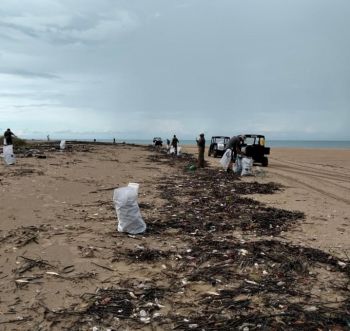
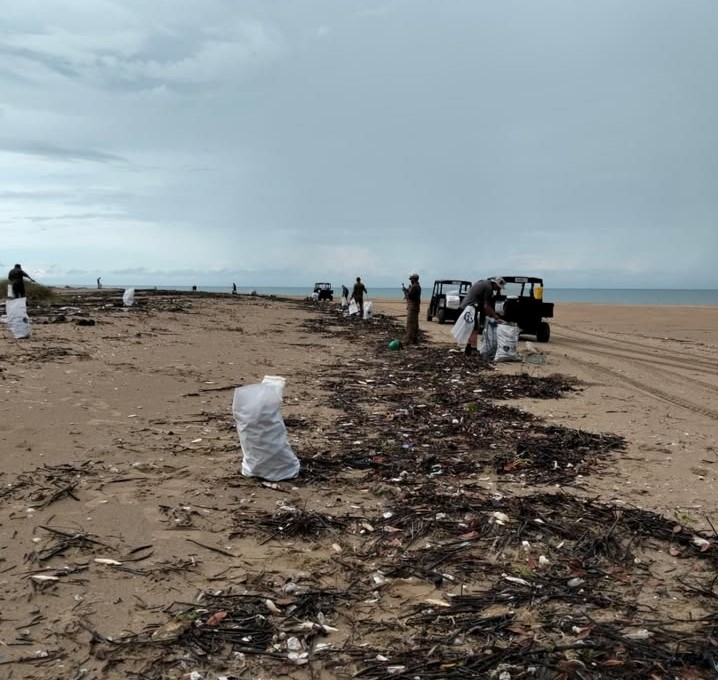
In 2025, the Mapoon Rangers undertook a significant marine debris removal project at Flinders Beach, with a primary focus on collecting marine debris and ghost nets to protect marine life and preserve coastal ecosystems.
Part of an ongoing clean-up effort, the Indigenous Rangers Coastal Clean-Up Project (IRCCP), aims to reduce the risks of entanglement, ingestion, and habitat disruption for wildlife such as turtles, seabirds and fish.
The project also fosters a sense of ownership and pride among community members by encouraging collaborative cleanup efforts.
Activities and outcomes
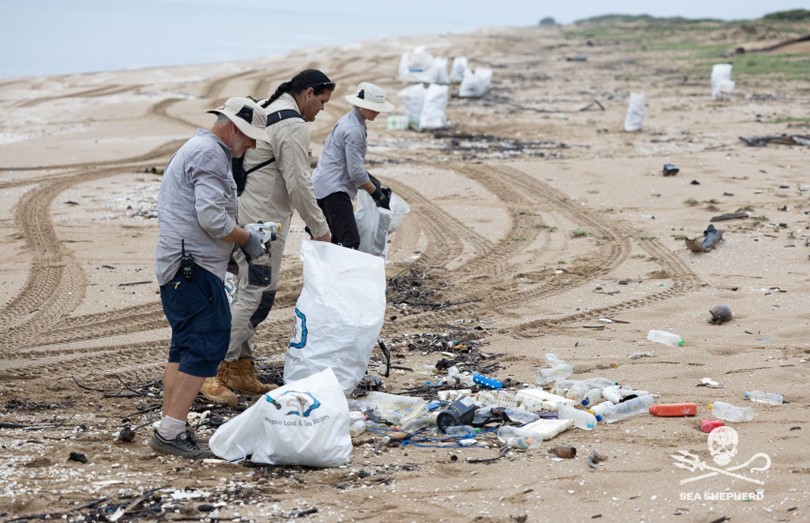
The cleanup required extensive planning and coordination. Volunteer organisations were secured to assist the rangers with this mammoth task, and funding was obtained to support the project.
The results of the cleanup were remarkable. Over the course of a week, a staggering 9.8 tonnes of debris were removed from a 6.9-kilometre stretch of Flinders Beach. This effort significantly reduced the risks posed by debris, which can smother and damage fragile ecosystems such as dunes, seagrass beds and coral reefs. By keeping the beaches clean, the rangers contributed to maintaining the health and balance of these vital systems, ensuring they remain a haven for marine life.
Lessons learned and next steps
A key lesson from this project has been the sheer volume of debris collected, which was more than double the amount removed during the previous cleanup on Flinders Beach. This highlights the ongoing challenge of marine debris and the need for continued efforts to address this issue.
By carefully planning future initiatives, the Mapoon Rangers aim to build on the success of this project and continue their vital work in protecting marine life and preserving coastal ecosystems.
This project serves as a powerful reminder of the importance of collective action in tackling environmental challenges and the positive impact that dedicated efforts can have on coastal and marine environments.