Protecting the iconic Bunya Pines with traditional knowledge and innovative techniques
Aims and overview
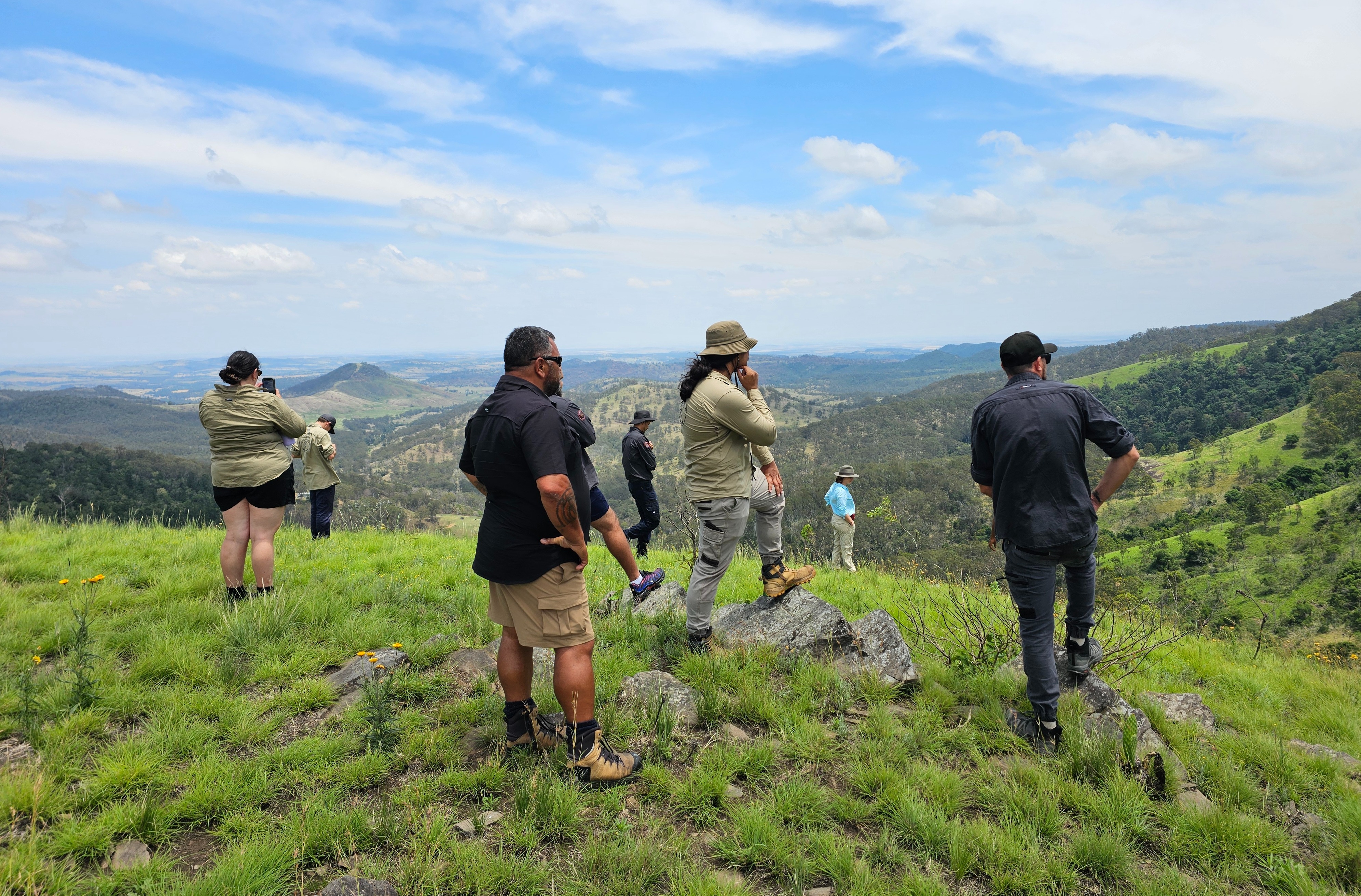
The Bunya Mountains are facing a significant environmental challenge as a tree dieback issue threatens the iconic Bunya Pines, a species of great cultural and ecological importance. The primary culprit is Phytophthora multivora, a plant pathogen found in the roots of affected trees. DNA from another pathogen, Phytophthora cinnamomi, has also been detected, though live samples are yet to be found. These pathogens are known to harm a variety of plant species, and their impact on the Bunya Pines is particularly concerning for First Nations communities, for whom the trees hold deep cultural and spiritual significance.
The environmental consequences of this disease are far-reaching, including the loss of leaf litter, changes to soil and water systems, and a decline in shade-dependent plants and fungi. Some of the affected Bunya Pines are over 600 years old, making their loss even more devastating. Aerial surveys and soil testing have revealed the widespread presence of the pathogens, with feral pigs identified as a significant vector for their spread and a contributor to poor soil health generally.
Activities and outcomes
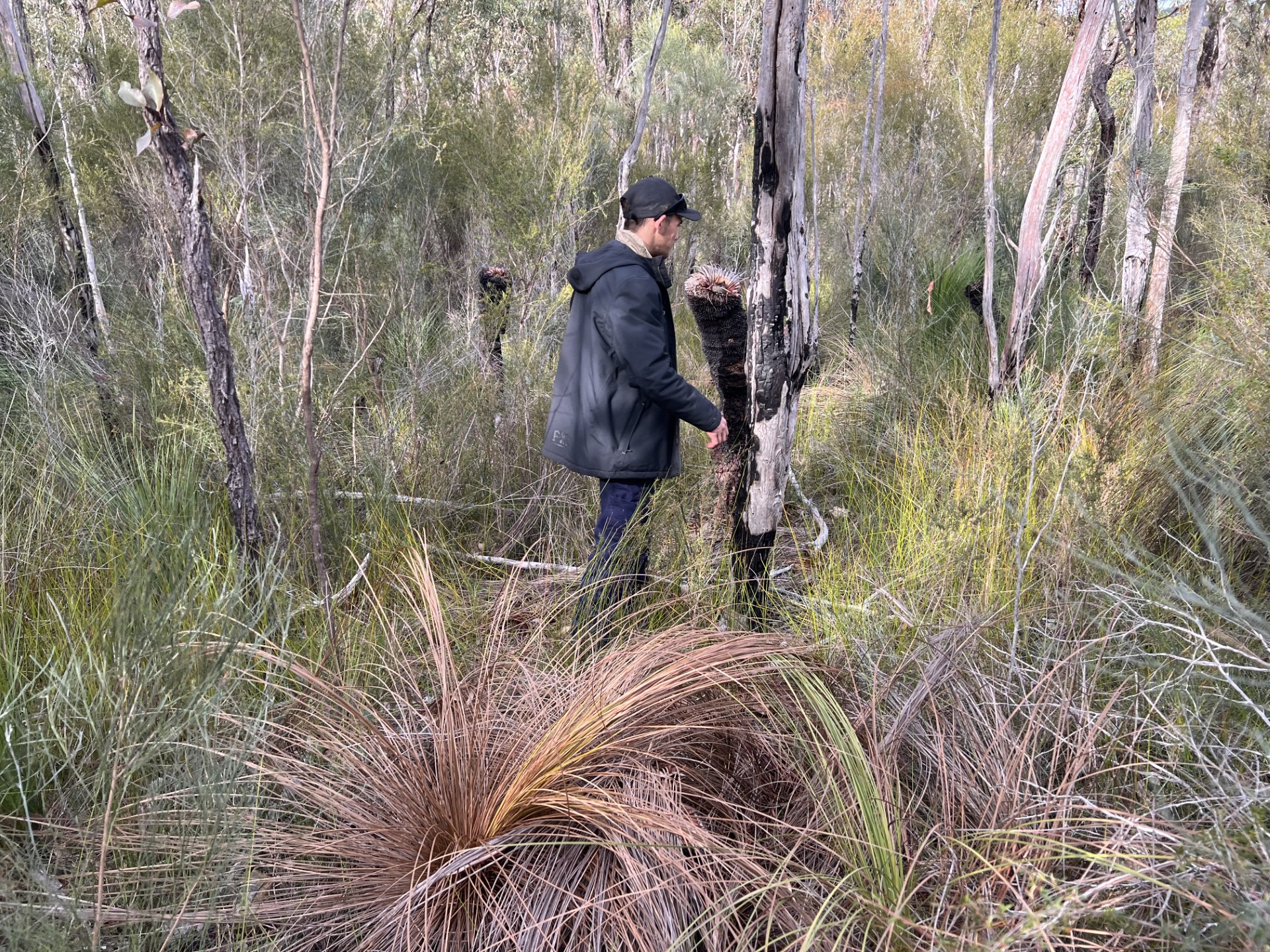
To combat this crisis, the Bunya People’s Aboriginal Corporation (BPAC) Rangers, in collaboration with key partners, have implemented a series of initiatives. These include a feral pig trapping and GPS collaring program in partnership with the Western Downs Regional Council and the Centre for Invasive Species Solutions. This program has provided valuable data on pig movements and seasonal hotspots, helping to target management efforts effectively.
The Rangers are also developing advanced monitoring techniques, such as multispectral aerial imagery, to detect tree stress and disease more efficiently. Soil sampling is being conducted to better understand the link between feral pig activity and the presence of Phytophthora.
Learnings and next steps
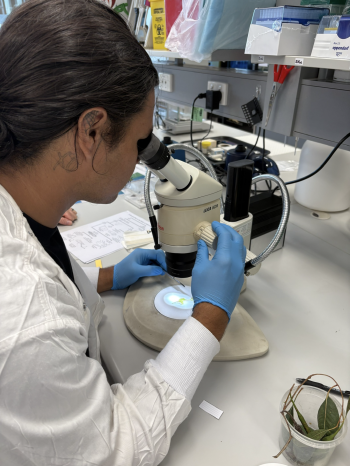
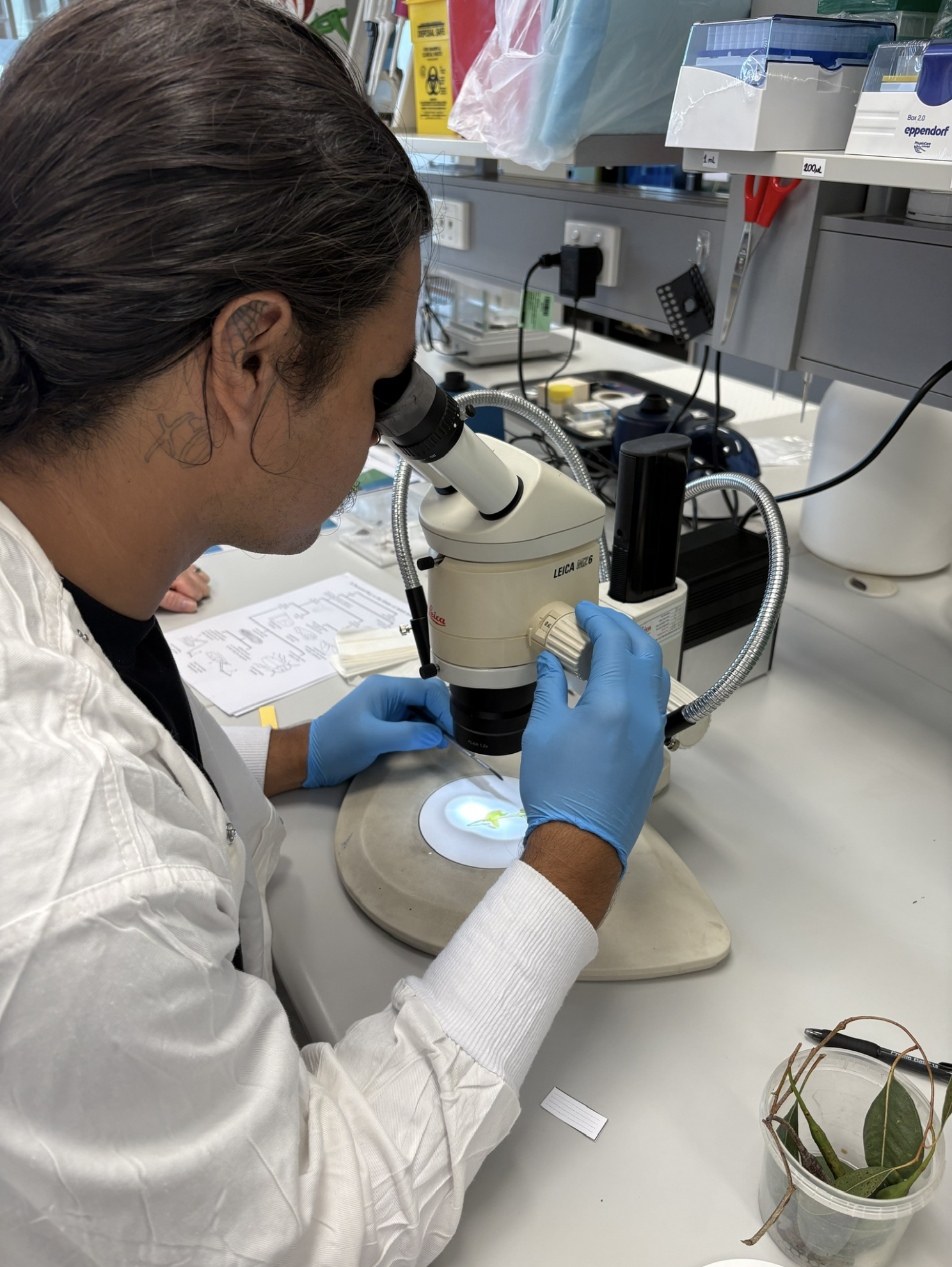
Early findings suggest that reducing feral pig activity could lead to improved soil health and potentially mitigate the spread of the disease. Looking ahead, BPAC plans to strengthen cross-tenure partnerships and data-sharing agreements to enhance the effectiveness of their efforts. Seasonal targeting of feral pig management, particularly before the bunya nut season, is a key focus, with a goal to reduce pig populations before the nuts drop each season. The integration of drone-based multispectral imaging and ongoing soil testing will further support monitoring and recovery efforts.
The work of the Rangers and their partners is crucial in protecting the Bunya Pines and the broader ecosystem of the Bunya Mountains. Their efforts not only safeguard an iconic species but also preserve the cultural and environmental heritage of this unique landscape.