Protecting platypus populations on Djabugay Country
Aims and overview
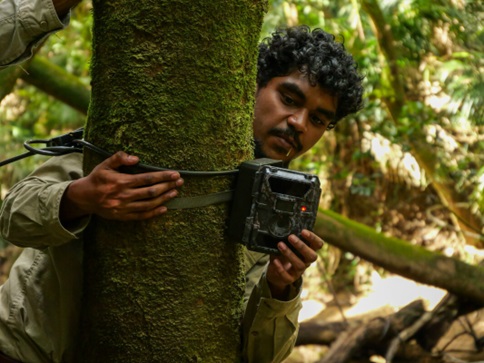
The ‘Eyes on Country Project’ is a collaborative initiative between the Bulmba Rangers, Djabugay Elders, and the World Wildlife Fund (WWF). It is aimed at monitoring and protecting the platypus population in Kuranda, particularly around Black Mountain Road and Flaggy Creek near the historic Mona Mona Mission. This project was born out of concerns raised by the Djabugay Elders, who shared stories of not having seen platypus in the area since their childhood. The project set out to confirm the presence of these elusive monotreme (egg laying) mammals and better understand their habitat. The ultimate goal is to protect and restore the environment to ensure the survival of the platypus and other native species.
Activities and outcomes
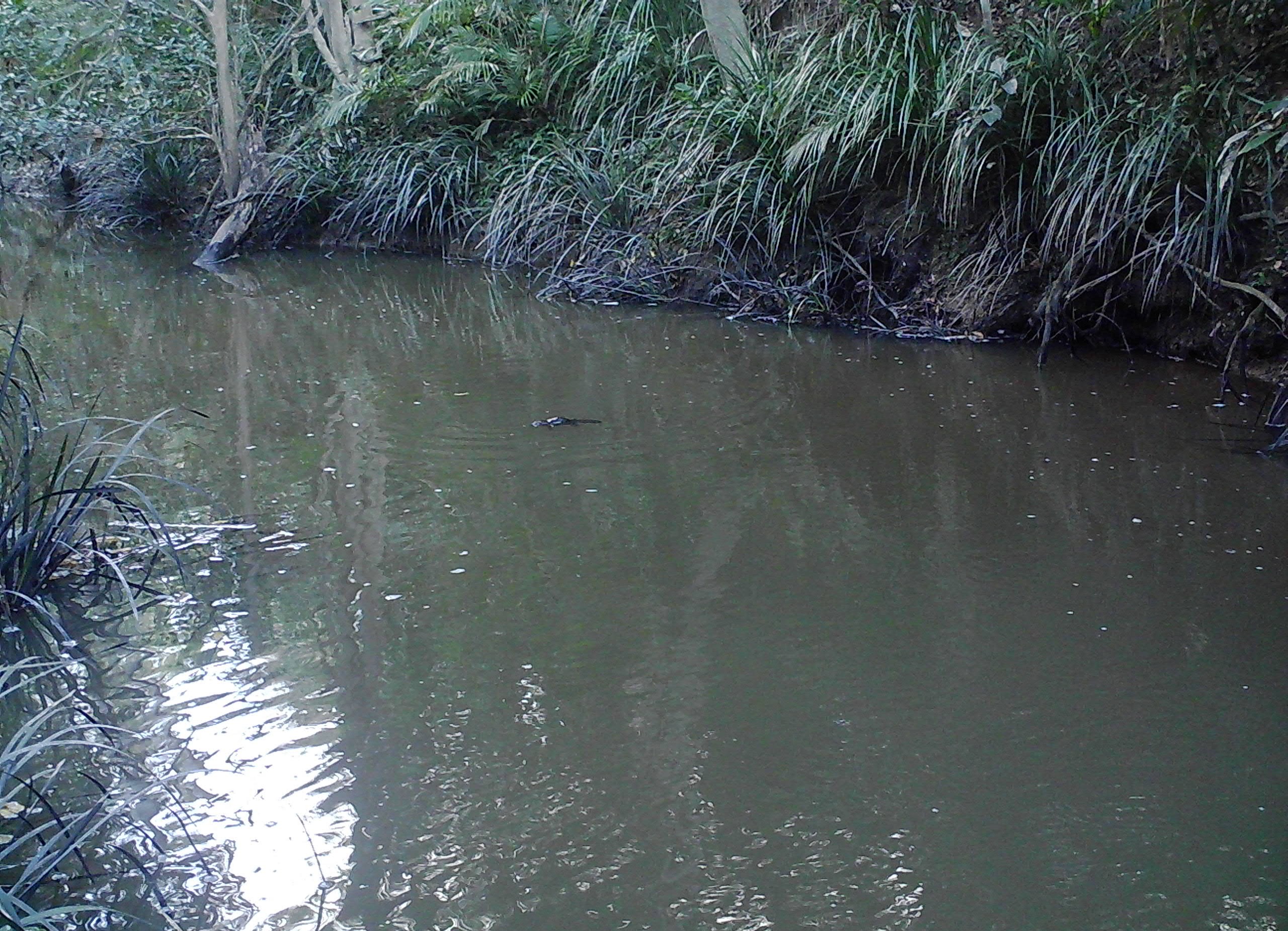
The project began with planning and consultation between the Bulmba Rangers, Djabugay Elders, Traditional Owners and community members. With support from WWF, the team identified 10 key sites across Black Mountain Road and Flaggy Creek, installing 20 trail cameras to monitor platypus activity. Over the course of a month, the cameras captured over 4,000 images, revealing the presence of three platypus at different locations. This discovery was a moment of great excitement and validation for the team, as it confirmed that the species still inhabits Djabugay Country.
The project also involved engaging with Elders, who were invited to visit the sites where the platypus were found. Sharing these findings with the Elders was a deeply meaningful experience. The Elders also visited Mimu Lagoon, a site of cultural significance, where they observed the positive impact of fencing that has excluded feral pigs, horses, and cattle. The lagoon's ecosystem is showing signs of recovery, with healthier water and the return of native wildlife.
Learning and next steps
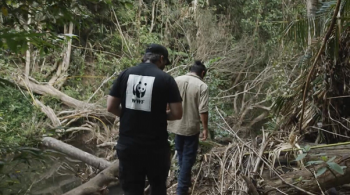
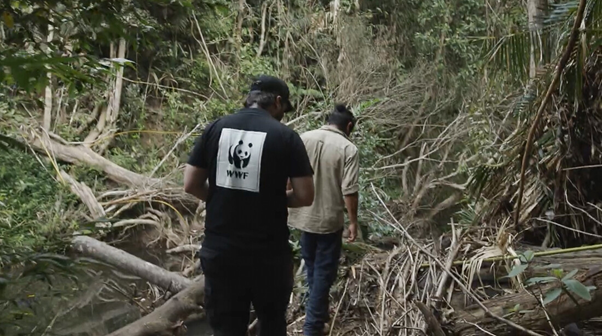
The ‘Eyes on Country Project’ has been a valuable learning experience for the Bulmba Rangers and the Djabugay community.
The project has also highlighted the importance of patience, communication, and collaboration. The use of trail cameras and GPS technology has been a particularly rewarding aspect, providing the team with new skills and valuable data for future conservation efforts. The success of this project has inspired hopes of expanding monitoring efforts to other areas in Kuranda. This could lead to a long-term initiative to protect the platypus and its habitat for future generations.
Looking ahead, the Rangers will continue to monitor platypus activity over the next 12 months with the aim to deepen their understanding of the environmental factors that support healthy platypus habitats, including water quality. This will involve partnering with scientists to conduct water quality data collection and eDNA testing at the identified sites. The data will be used to develop a comprehensive data management system and create training materials for other ranger groups and communities interested in similar conservation efforts.
Additionally, the team will pilot a riparian restoration project at a second location, using water quality as a metric to track improvements. Through their dedication and collaboration, the Bulmba Rangers and their partners are setting a powerful example of how traditional and scientific knowledge can work together to protect Australia's unique wildlife and ecosystems.