Marine turtle strandings case study
Disaster Recovery Funding Arrangements Environmental Recovery Program – Biodiversity Conservation, 2021–22 severe events program
The 2021–22 severe weather season caused widespread flooding across southern Queensland, with floodwaters discharging to the sea and impacting threatened marine species. This was followed by an increase in marine turtles and other marine animals reported as stranded or in poor health.
The Department of the Environment, Tourism, Science and Innovation (DETSI) partnered with multiple delivery partners to undertake a range of projects investigating the causes and severity of the flood event on marine turtle health. Project partners included Australia Zoo Wildlife Hospital, Eco Logical Australia, Enviro Vet, Griffith University, Turtles in Trouble Rescue, Quoin Island Turtle Rescue, Sea World Foundation and the University of the Sunshine Coast. Assistance was provided through the jointly funded Commonwealth-State Disaster Recovery Funding Arrangements (DRFA), with a total funding value of $1.14 million (excl GST).
A thorough investigation into marine turtle health was undertaken with each delivery partner playing a key role. The Sea World Foundation provided rehabilitation and release of injured and sick turtles, and performed the necropsy and histopathology of stranded and deceased turtles. Toxicology and blood work analysis was conducted in collaboration with Griffith University and Enviro Vet, and the University of Sunshine Coast undertook a dietary analysis of stranded turtles. Eco Logical Australia, Quoin Island Turtle Rescue and Turtles in Trouble Rescue were invaluable in the transportation of stranded turtles to rehabilitation facilities, release sites, and scientific facilities. The Australia Zoo Wildlife Hospital were also involved in the rehabilitation of rescued turtles.
Increased turtle strandings were observed across southern Queensland, with the Hervey Bay region identified as a major hotspot with very high concentrations of strandings. This was likely due to the concentration of flood plume sediment, prolonged freshwater exposure and subsequent significant impacts to seagrass meadows. Results noted that strandings were predominantly made up of sub-adult and adult animals showing signs of emaciation, malnutrition, and disease or illness.
Nutritional stress was suggested as a potential cause for this observation, as floodwaters significantly damaged seagrass meadows particularly around Hervey Bay. Prolonged nutritional stress caused by the decline in primary food sources may have made turtles more susceptible to diseases, illnesses or parasites, resulting in poorer overall health.
Toxicology and necropsy results showed that turtles had elevated stress response with possible disruption to their immune system. Further tissue and blood analysis found that the Hervey Bay population had elevated levels of several toxic metals and organic chemicals compared to other southern Queensland populations. Exposure to these pollutants was likely a result of floodwaters carrying pollutants out into marine environments. Many deceased turtles were found to have internal parasites and gastrointestinal issues, indicating they were in poor health and may have had weakened immune systems.
One of the major illnesses observed was ‘soft shell syndrome’ (SSS), where the turtle’s carapace becomes soft, spongy and displays extensive ulcerations. In severe cases SSS can lead to bone exposure and leaves turtles highly vulnerable to infections. The cause of SSS is unknown, however findings suggest that it may be linked to nutritional stress and fungal or bacterial infections. The high concentration of SSS cases in the Hervey Bay region could have been caused by exposure to multiple bacterial and fungal pathogens carried by floodwaters.
Diet analysis showed further evidence of inadequate nutrition with results indicating that the diet of living juvenile turtles mainly consisted of red algae and mangrove epiphytes, with no detectable amounts of seagrass. In contrast, deceased turtles had a diet predominantly made of seagrass.
The large number of sub-adult and adult turtle strandings supported these results and is likely a reflection of the diverse diet of juvenile turtles, which made them more resilient to the reduction of available seagrass.
The cause of the increased strandings was multifactorial. The loss in quantity and quality of seagrass meadows forcing a a dietary shift towards food sources that were nutritionally inadequate and harder to digest. The combination of poor nutrition, and exposure to bacterial pathogens and pollutants from floodwaters left turtle populations with weakened immune systems and vulnerable to disease and infection. These factors ultimately contributed to dramatic health declines and increased strandings found in Hervey Bay and southern Queensland populations.
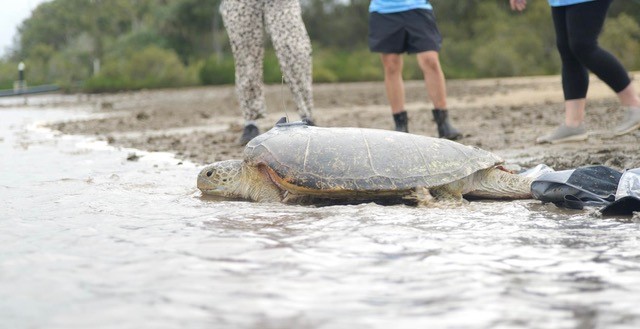
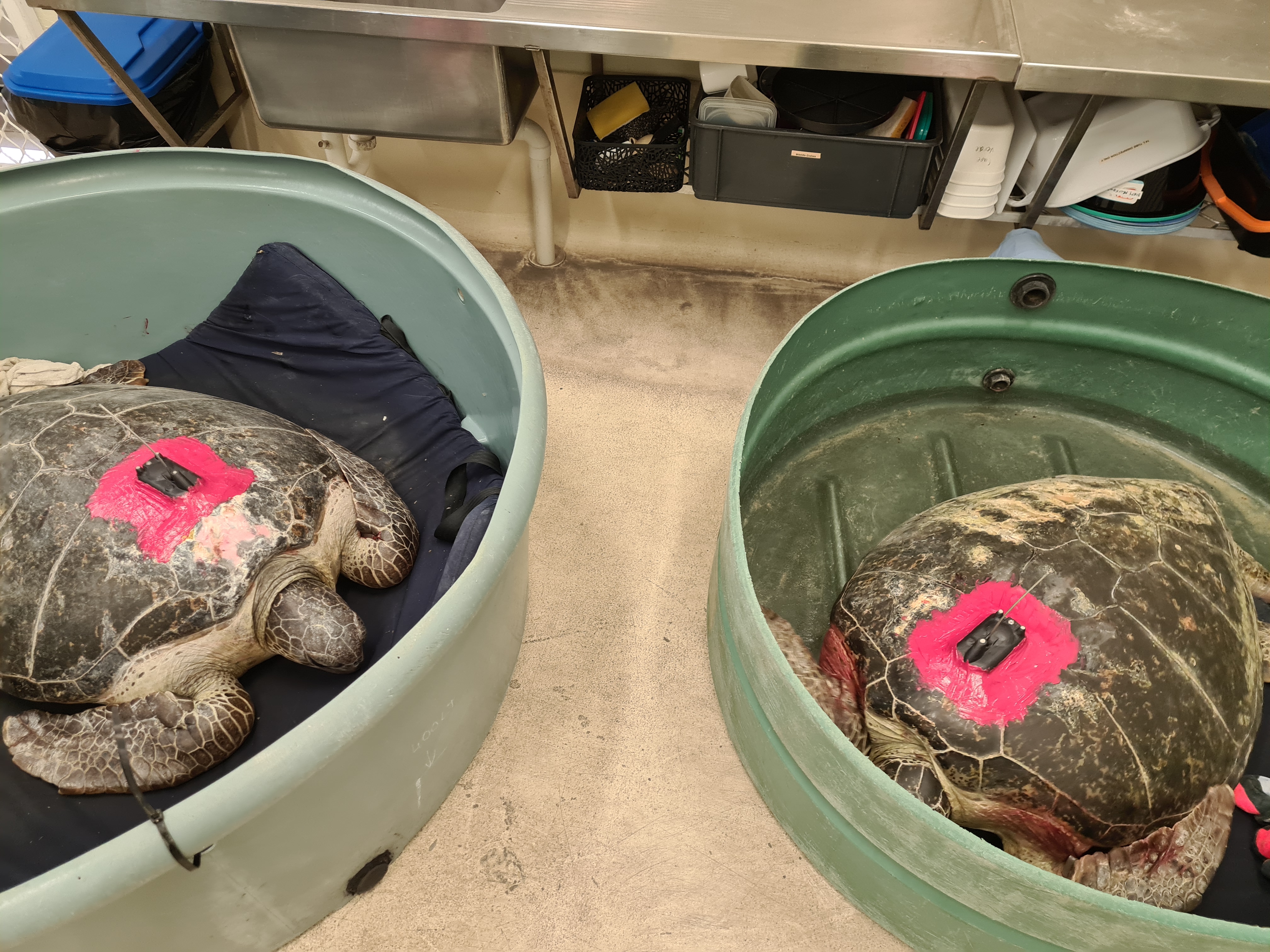
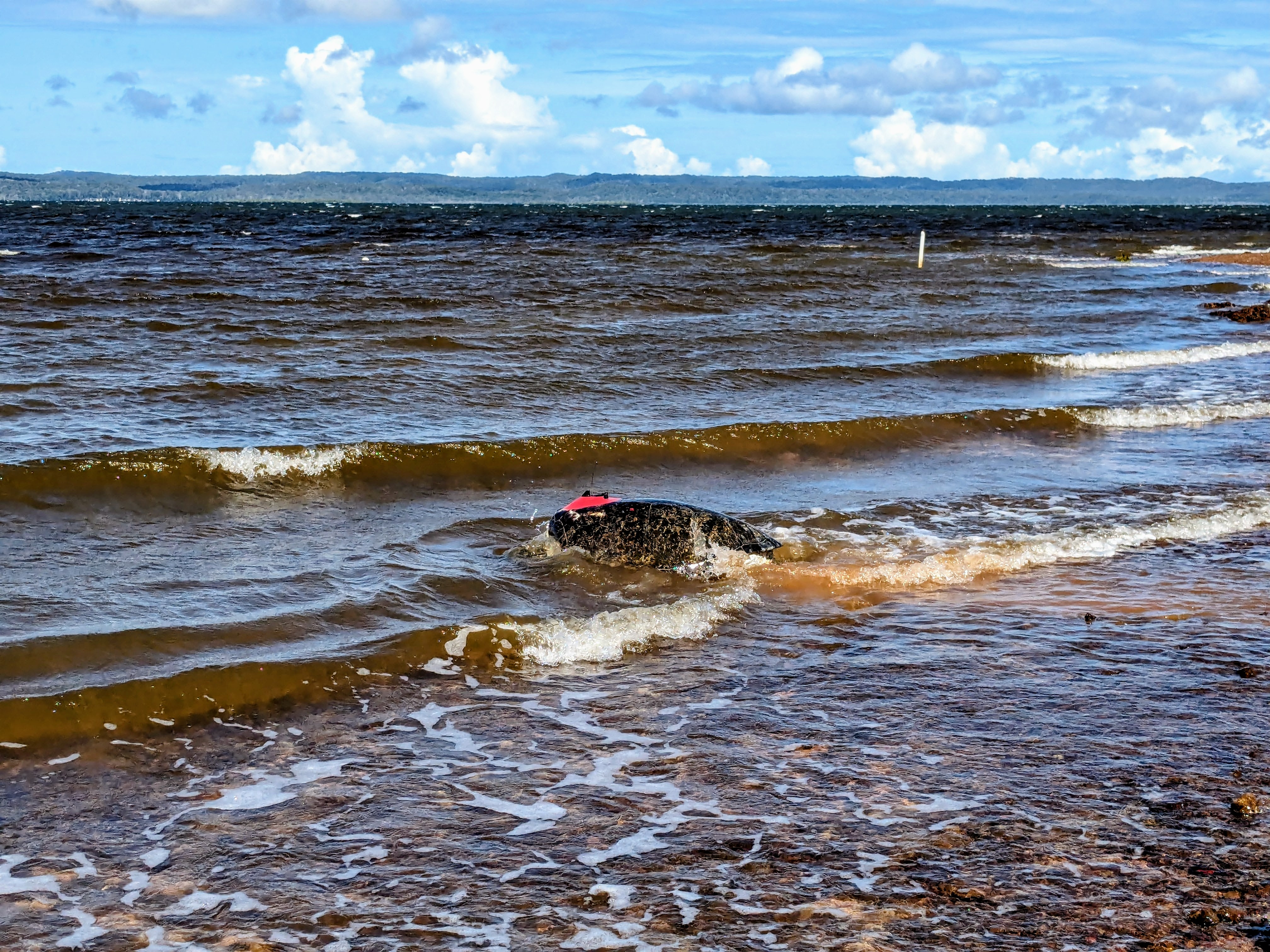
Thanks to the tireless efforts of delivery partners, many stranded turtles were successfully rescued and rehabilitated. Ten turtles that required treatment for a range of medical conditions, were rehabilitated and released back into the wild at their rescue locations. Each turtle was fitted with a satellite tracking device to monitor its movements after release. The tracking data provides valuable insights into post-rehabilitation behaviour and survival, helping to inform and improve future turtle rehabilitation and release programs.
The successful collaboration between the delivery partners highlights the benefits of engaging with a range of stakeholders in achieving threatened species research and conservation outcomes.