Ghost Bat eDNA sampling case study
Disaster Recovery Funding Arrangements Environmental Recovery Program – Environmental Investigations Program, Northern and Central Queensland Monsoon and Flooding, 20 December 2022 – 30 April 2023
From late December 2022 to March 2023, Northern and Central Queensland experienced exceptionally heavy rainfall associated with monsoon troughs, resulting in widespread flooding and environmental damage across the region.
The Camooweal Caves, located approximately 188 km west of Mount Isa, were affected by floodwaters during this event. The Cave system is an important environmental and cultural asset, supporting unique subterranean ecosystems and habitat for threatened species including the Ghost Bat (Macroderma gigas) and Orange Leaf-nosed Bat (Rhinonicteris aurantius).
The Department of the Environment, Tourism, Science, and Innovation (DETSI) and Dugalunji Aboriginal Corporation (DAC) collaborated and engaged several partners, including (Lake Eyre Basin Rangers), Indjalandji-Dhidhanu Aboriginal Corporation, Australasian Speleological Federation, James Cook University (TropWATER), and Queensland Parks and Wildlife Service and Partnerships (QPWS&P), to develop a project to assess flood impacts across four cave systems (two within Wiliyan-ngurra National Park).
The project aimed to assess impacts on biodiversity and groundwater values, whilst establishing baseline environmental data through environmental DNA (eDNA) sampling.
The project was supported by the jointly funded Commonwealth-State Disaster Recovery Funding Arrangements (DRFA) Environmental Recovery Program (ERP) (administered by DETSI).
A total of $60,406.66 (excl. GST) was awarded to delivery partners under the DRFA ERP, with a further $24,300 (excl. GST) provided via the First Nations Partnerships Program. An additional $10,400 (excl. GST) of in-kind contributions was provided by project collaborators in the form of project management, field assessments, Traditional Owner participation, and knowledge development.
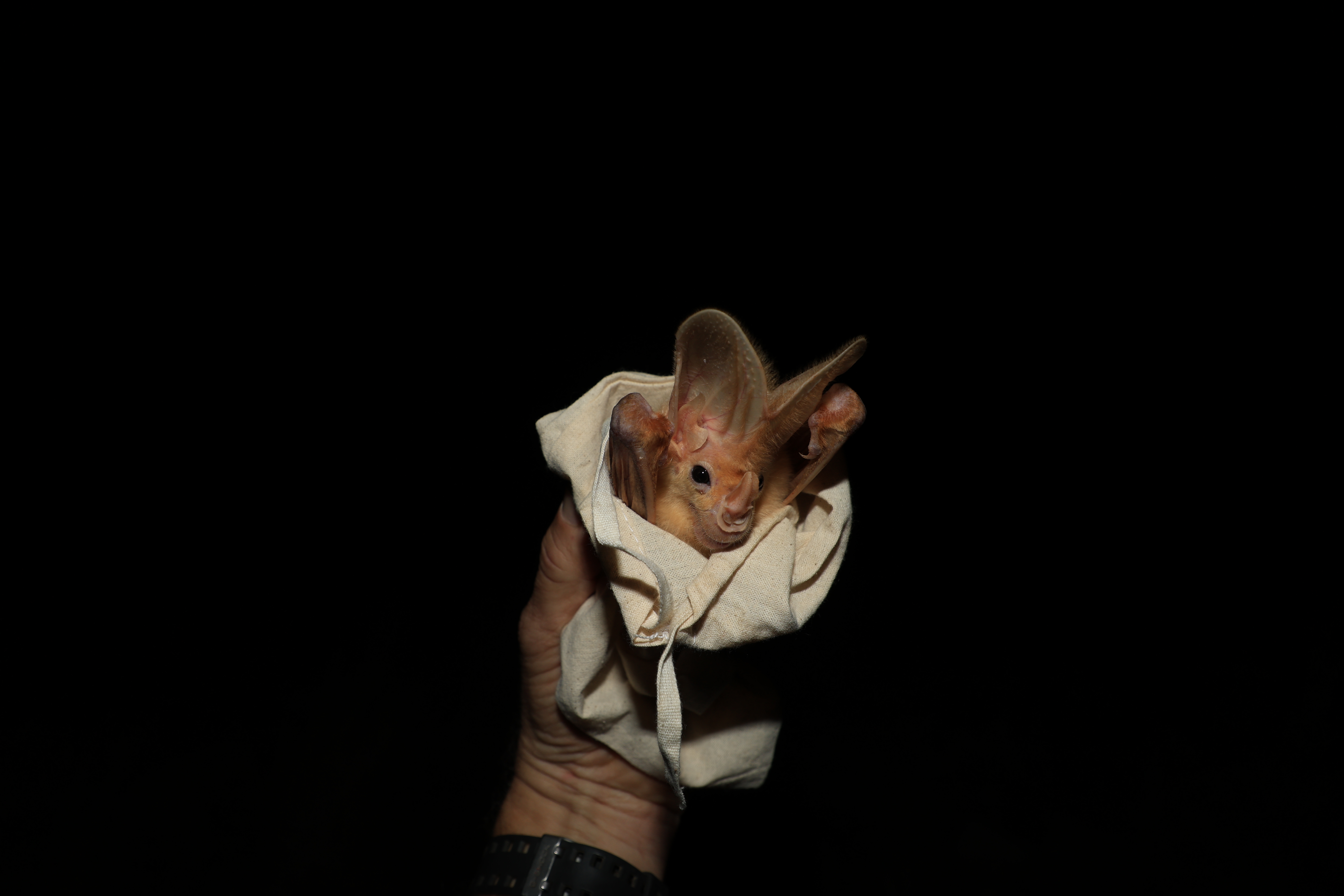
The project methodology included visual surveys and eDNA sampling (using soil and water collection) to assess biodiversity, identify the distribution of native species, and identify the presence of pest fish species (Sleepy Cod and Tilapia). Tissue samples from Ghost Bats were also collected to support the development of a species-specific eDNA primer to improve the accuracy of future monitoring activities.
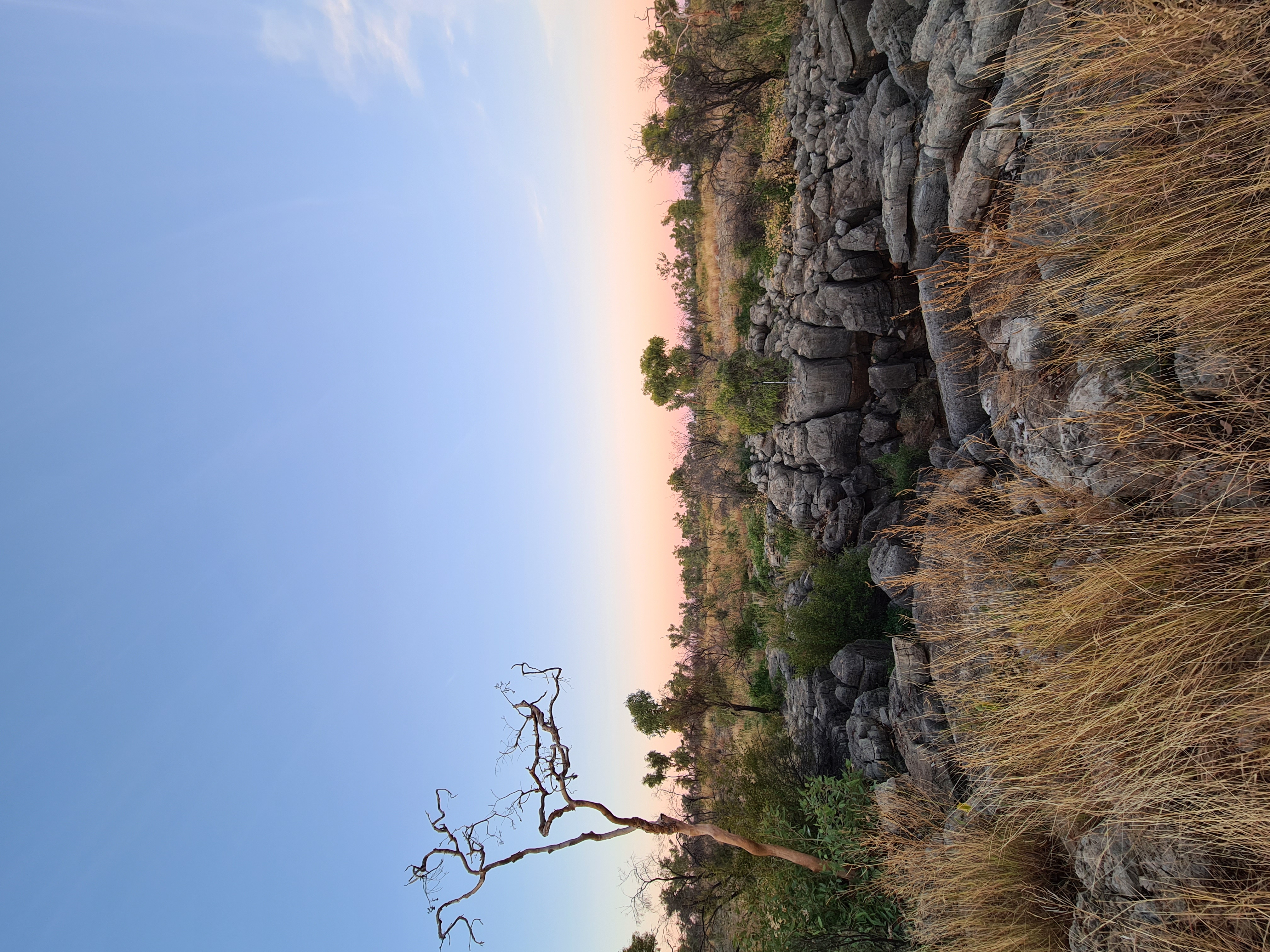
The results confirmed Ghost Bat (Macroderma gigas) activity across the cave systems. In total, 37 vertebrate species were detected including frogs, birds, skinks and mammals. Surface-dwelling vertebrate DNA was also detected including cattle, rabbits and echidnas, illustrating the potential transport of eDNA into cave systems via water flow, air movement, human-mediated means, and other natural processes.
The project highlighted the effectiveness of eDNA sampling methods in assessing biodiversity and ecological condition in subterranean environments. The integration of eDNA sampling methods with Traditional Owner knowledge and leadership has helped to establish a baseline dataset for the Camooweal Caves that will support future monitoring, prioritisation of disaster recovery actions, and threatened species management. The development of a species-specific eDNA primer will improve the accuracy of future monitoring and provide a non-invasive tool for detecting Ghost Bat presence within cave systems, supporting long-term conservation and management of this threatened species.