Accelerated action on priority wastes
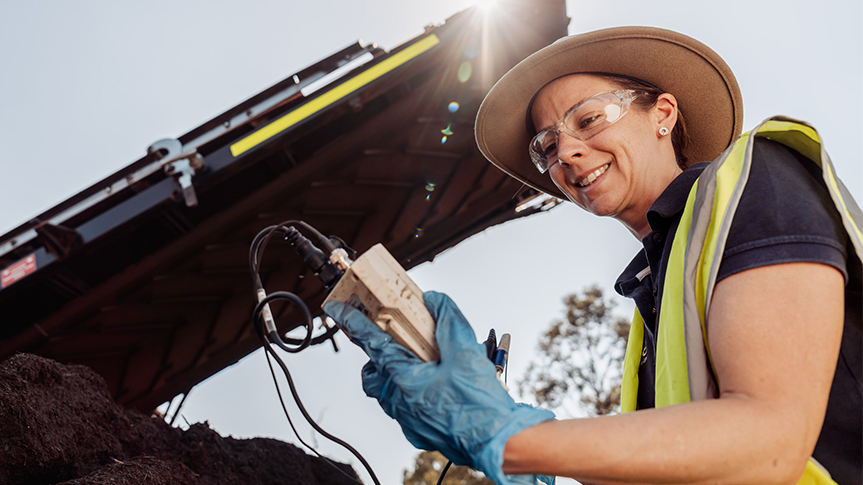
Not every waste type is the same. Some are easier to collect or recycle than others. Some, for example batteries, have potentially significant impacts, like fire risks from inappropriate disposal.
We have identified seven priority wastes to help us focus our efforts and take accelerated action on those wastes that are particularly problematic.
Organics
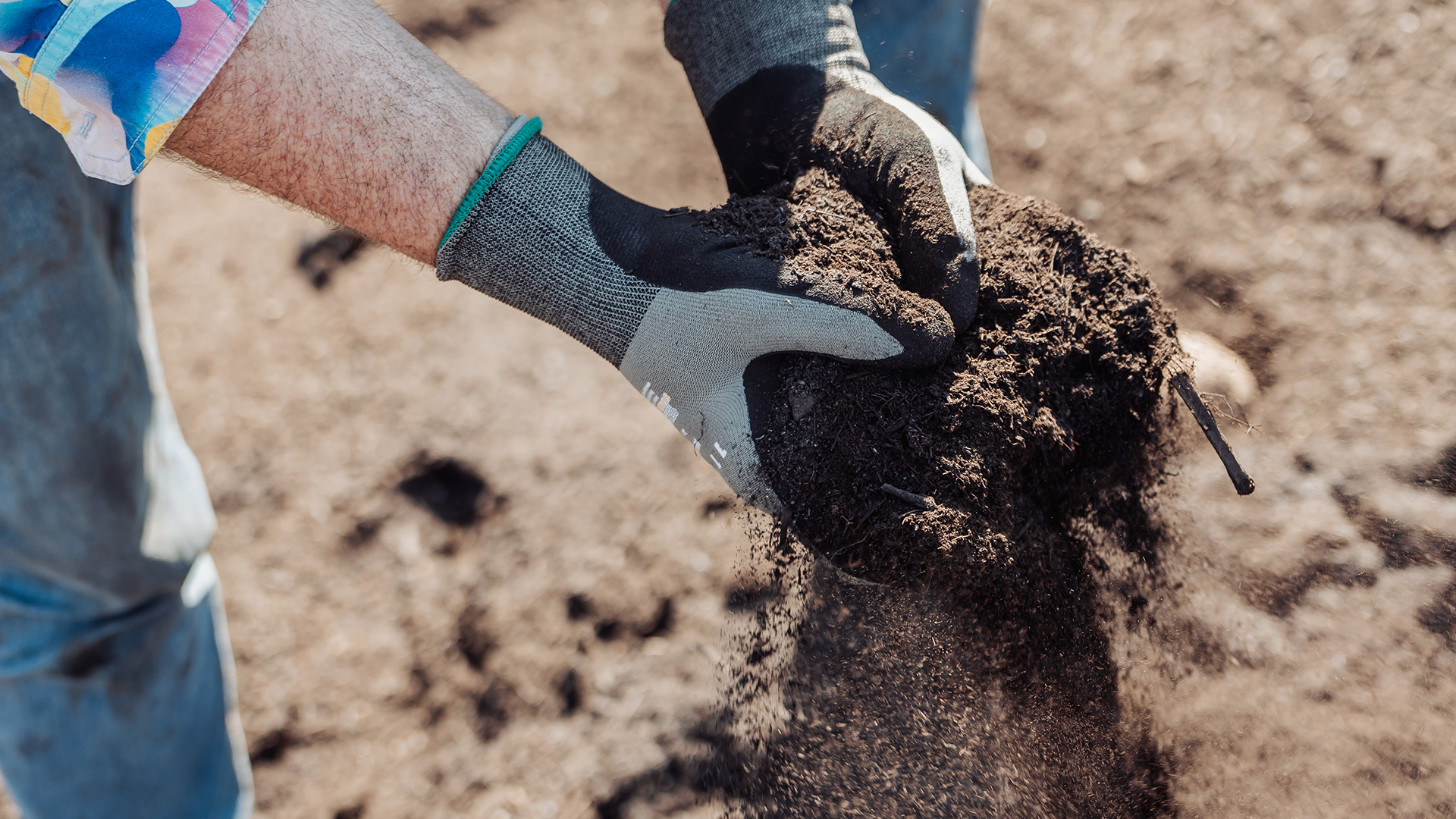
Organic waste is one of the largest contributors to landfill in Queensland.
Food and garden organics make up nearly half of what goes into red-lid bins each year. This puts pressure on landfill capacity and drives the need for new disposal sites unless targeted action is taken.
Organic waste refers to any biodegradable material from plants, animals, or other natural sources that can decompose naturally. Common examples include food and garden waste, biosolids, and animal waste, including manure and other by-products.
When organic waste decomposes in landfill, it produces methane, a greenhouse gas around 25 times more potent than carbon dioxide. Beyond environmental and health impacts, sending organics to landfill means losing valuable resources that could be turned into compost, biogas, or bioenergy.
This is not a new challenge and the solutions are proven. Across Australia and globally, organics are being transformed into soil conditioners, renewable energy, and other products that return nutrients to the land and reduce emissions.
By leveraging proven technologies and innovation, Queensland can build a thriving compost industry with diverse products - creating jobs and cutting emissions.
Read about food and garden waste collection trials, local government funding through the GROW FOGO program, organic recovery in retail, and a food saver app.
Plastics
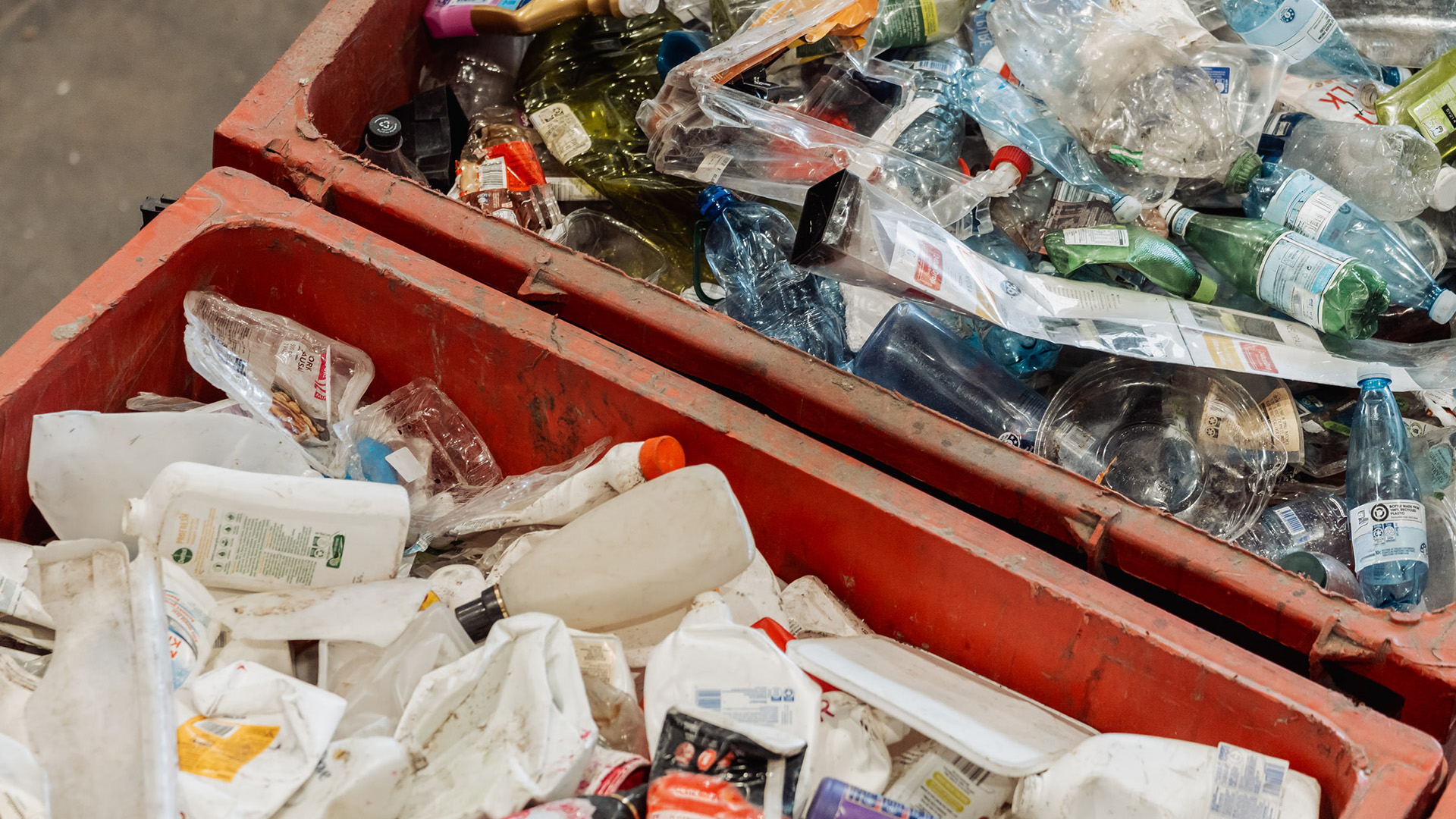
Plastic waste is a significant issue due to its increasing use and widespread environmental, social and economic impact. Plastic often ends up in our natural environment and can take hundreds to thousands of years to break down, persisting in the environment and accumulating over time.
Plastic waste includes a wide range of items made from synthetic or semi-synthetic polymers, such as:
- single-use plastics from packaging and drink bottles
- durable plastics used in toys, furniture and electronic casings
- industrial plastics used in construction, agriculture and manufacturing.
Currently, only a small portion of plastic waste is recycled because of the challenges from contamination, lack of infrastructure, and the complexity of sorting different types of plastics. With targeted action, this valuable material can be recycled into valuable, new products, reducing a reliance on virgin materials.
The sale or supply of a number of single-use plastic items are banned in Queensland. Learn more about the ban.
Visit the Queensland Plastics Ban website or call the hotline on 1800 844 946 for more information and resources on what businesses need to do and how to manage excess stock.
Everyone has a role to play in reducing the impacts of plastic pollution and being more sustainable.
Here are just a few simple ways you can make a difference. Where possible:
- purchase products that are not in plastic packaging
- reuse shopping bags
- take your reusable cups to get your coffee
- support businesses that go plastic free
- choose products with less plastic content (or that use recycled plastic) and that come with less plastic packaging
- pick up littered items
- choose not to use balloons and other single use products for your events
- get your plastics sorted and check with your local council or Recycle Mate to find an alternative location for recyclables that don’t belong in your kerbside yellow lid bin.
Learn more about what the Queensland Government is doing to take action on single use plastics.
Batteries
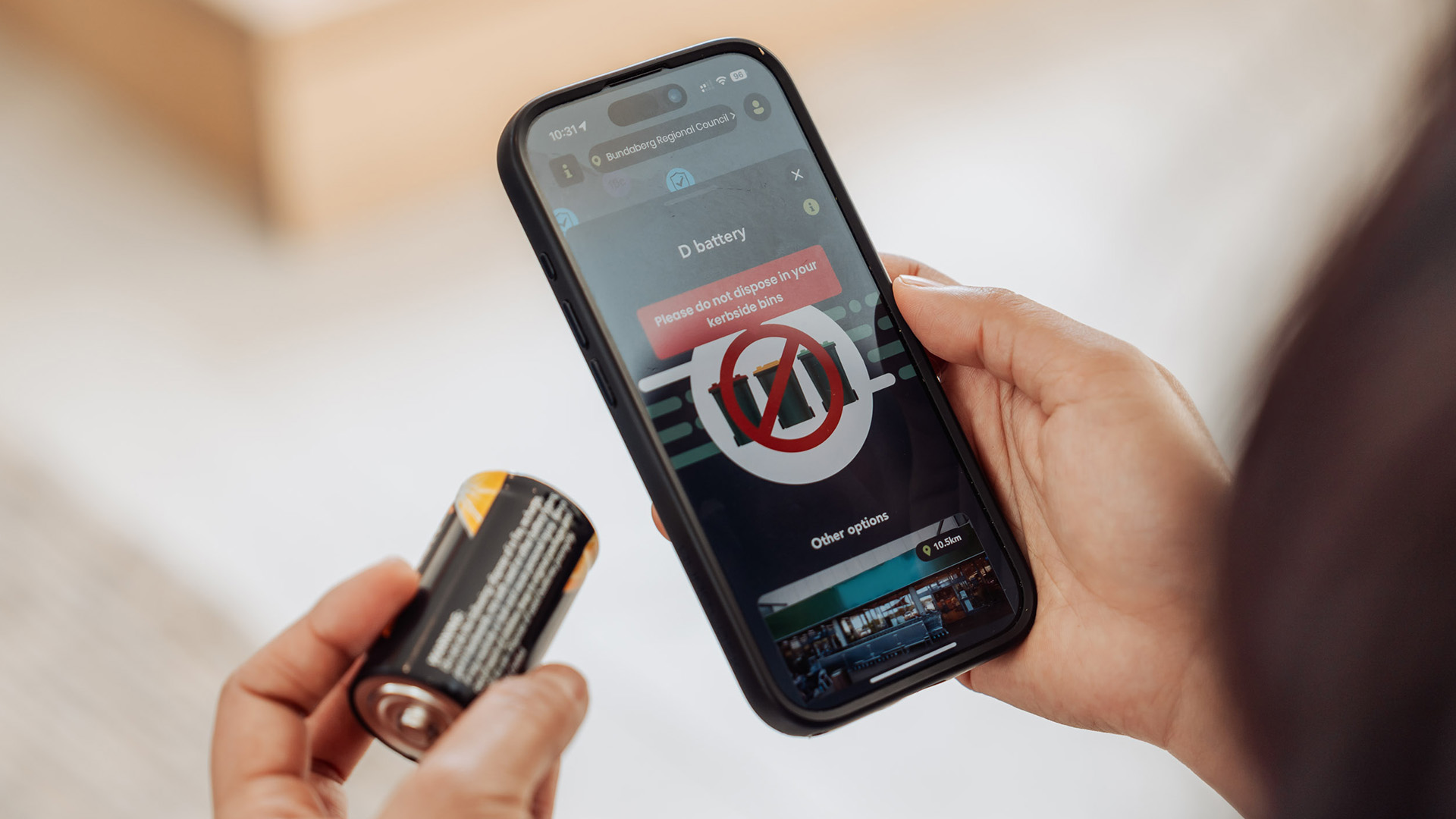
Batteries are powering the way we live: our phones, laptops, power tools, electric vehicles, and even renewable energy systems. As technology advances, the volume of batteries being disposed of is projected to surge over the next decade, creating both an opportunity and a serious challenge for Queensland.
Batteries come in many forms:
- single-use alkaline or zinc-carbon batteries in household items like remotes and toys
- rechargeable lithium-ion, nickel-cadmium, or nickel-metal hydride batteries in laptops, mobile phones, vapes, e-scooters, and bikes
- industrial and automotive batteries, such as lead-acid batteries in vehicles and large-scale energy storage systems.
While some recycling pathways exist, incorrect disposal (especially of lithium-ion batteries) is a growing hazard. When compacted or punctured in waste trucks or recycling facilities, batteries can overheat, catch fire, or explode.
The consequences are real and escalating:
- in 2024–25, Queensland recorded more than 200 battery-related fires, including in waste trucks and recycling centres
- these fires put workers and the public at serious risk, disrupt essential waste services, and threaten recycling infrastructure.
If facilities are destroyed, Queensland’s ability to recycle other resources is compromised, undermining our circular economy goals.
Read about industry innovation and home battery collection.
Mattresses
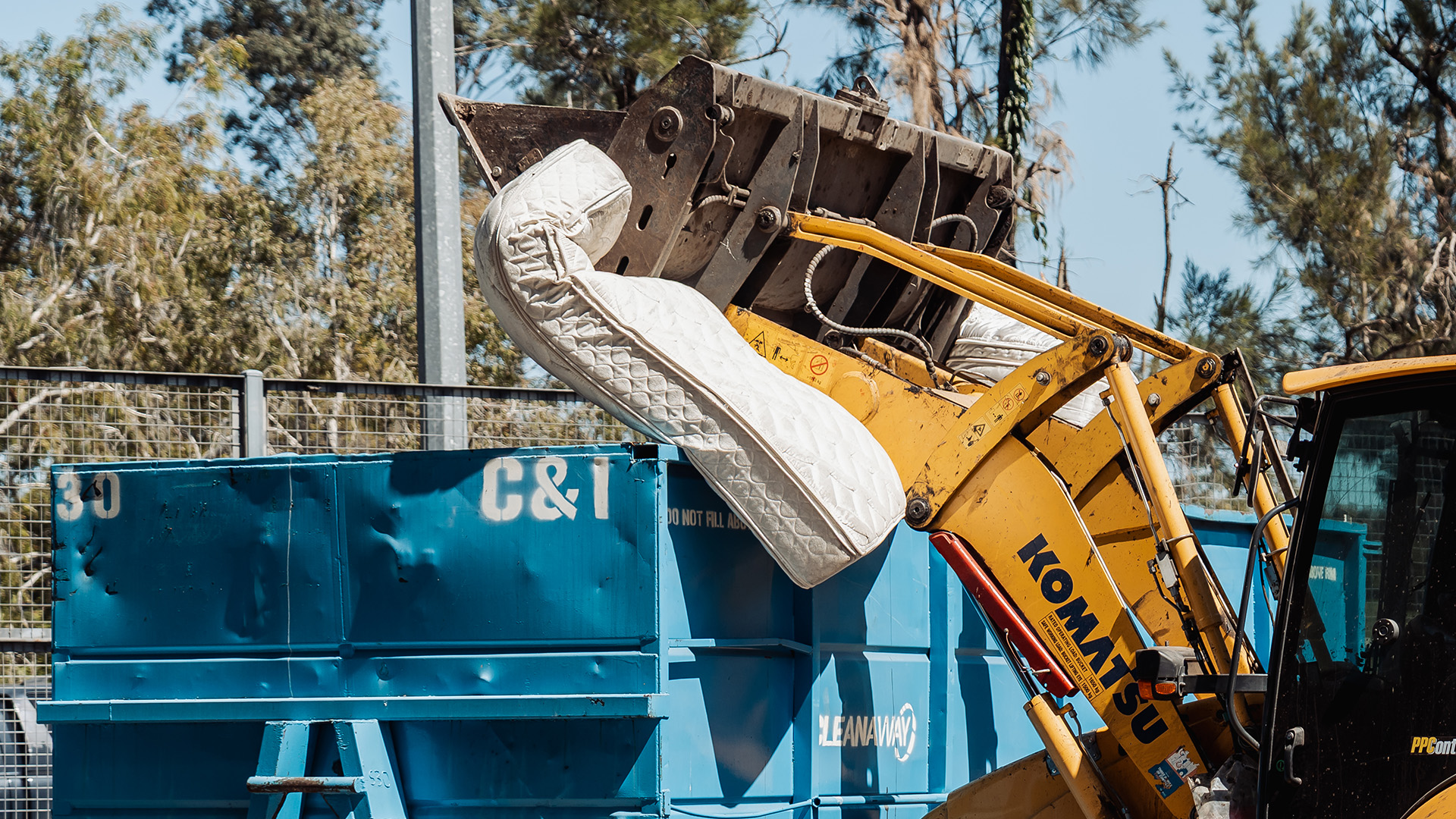
Discarded mattresses that are no longer usable or wanted by households, businesses or institutions are a significant challenge and often end up in the environment illegally dumped.
An estimated 300,000 mattresses are disposed in Queensland’s landfills each year.
Old mattresses present significant environmental, logistical and economic challenges due to their size and the different materials they are made of. These mix of materials include steel, foam, and fabric. Although these materials can separately be recycled, without proper dismantling to separate them they are often rejected for recycling and considered a contamination to one material type or another.
Mattresses are bulky and take up space in landfill. This coupled with their slow decomposition contributes to the growing issue of landfill availability. Queensland’s regional areas in particular have difficulty managing disposed mattresses due to limitations in existing recycling supply chains.
For consumers, mattresses are large, heavy and awkward to transport, making collection and disposal logistically challenging and costly.
Tyres
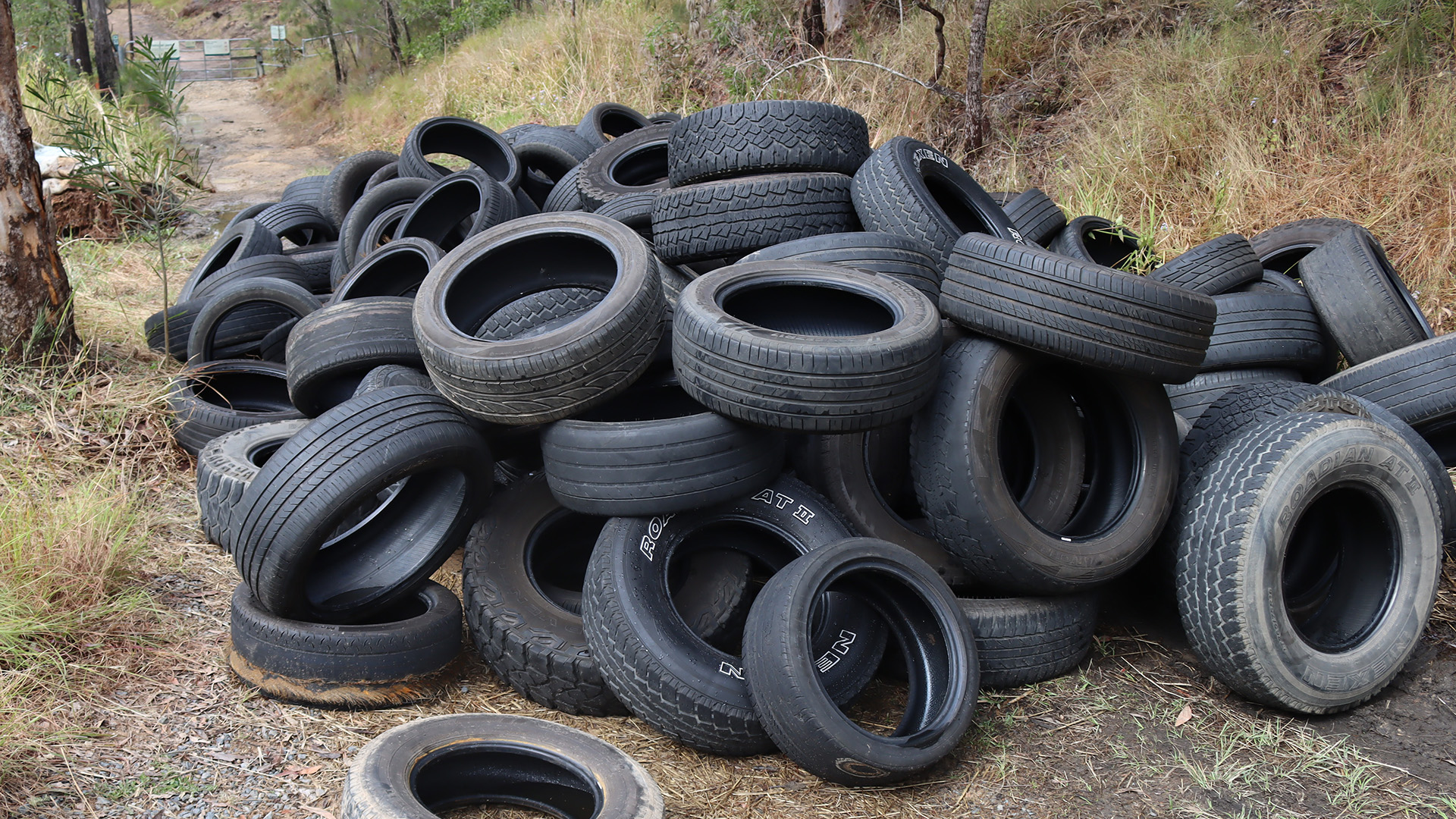
Tyre waste refers to discarded or end-of-life tyres that are no longer suitable for their original purpose due to wear, damage or becoming obsolete. This includes tyres from vehicles such as cars, buses, trucks, motorcycles and bicycles, as well industrial machinery (conveyor belts) and tyres from the mining and agricultural sectors.
End-of-life tyres present significant environmental, health, and economic challenges when not properly managed. Tyres that are improperly stored or dumped can collect water, creating ideal breeding grounds for mosquitos and other disease-carrying pests. Stockpiles of tyres are also highly flammable and difficult to extinguish once ignited.
87 per cent of Australia’s used passenger, bus and truck tyres have been recovered through the voluntary national tyre product stewardship scheme. However, this waste stream remains a priority due to the impact of illegally dumped tyres, and limited domestic market for recycled tyre products.
Electronic wastes
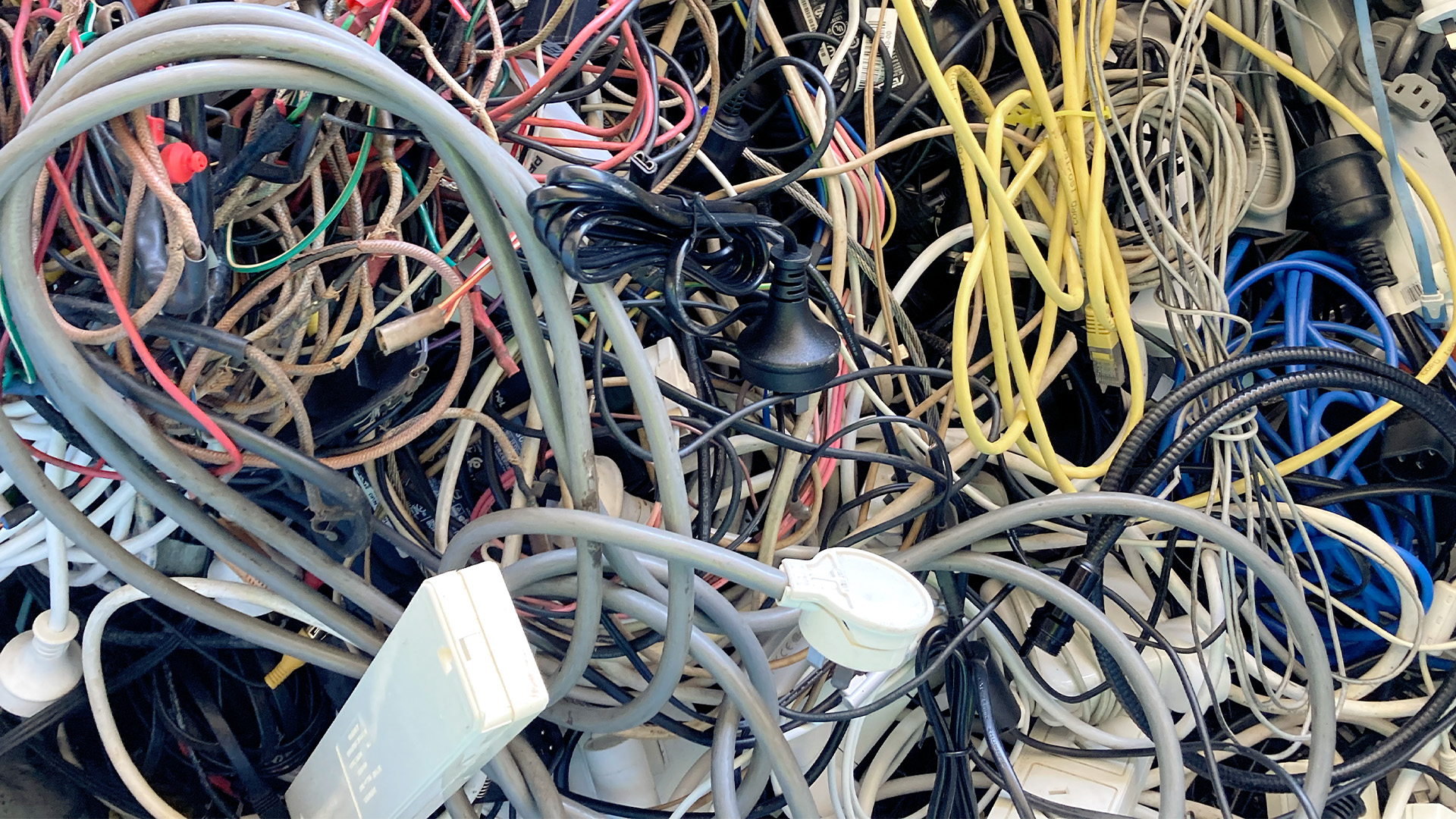
Electronic waste, commonly referred to as e-waste, includes any discarded electronic product that needs electricity or a battery to work. Electronic products are increasingly becoming a part of everyday modern life. Their recovery is made more difficult by the vast forms it can take, from mobile phones and small light up children’s toys to solar panels and large white goods such as fridges and washing machines.
It is also a common waste type generated in office settings through the form of items such as computers, printers, and headphones. The volume and variety of e-waste products can present challenges for collection and recovery of materials from this waste stream. However, electronic waste can contain valuable and finite critical minerals including copper, silver and gold as well as other recoverable and recyclable materials.
Read about solar panel and home battery recovery pilots that the Queensland Government supported, which is informing the national solar panel recycling work.
Textiles
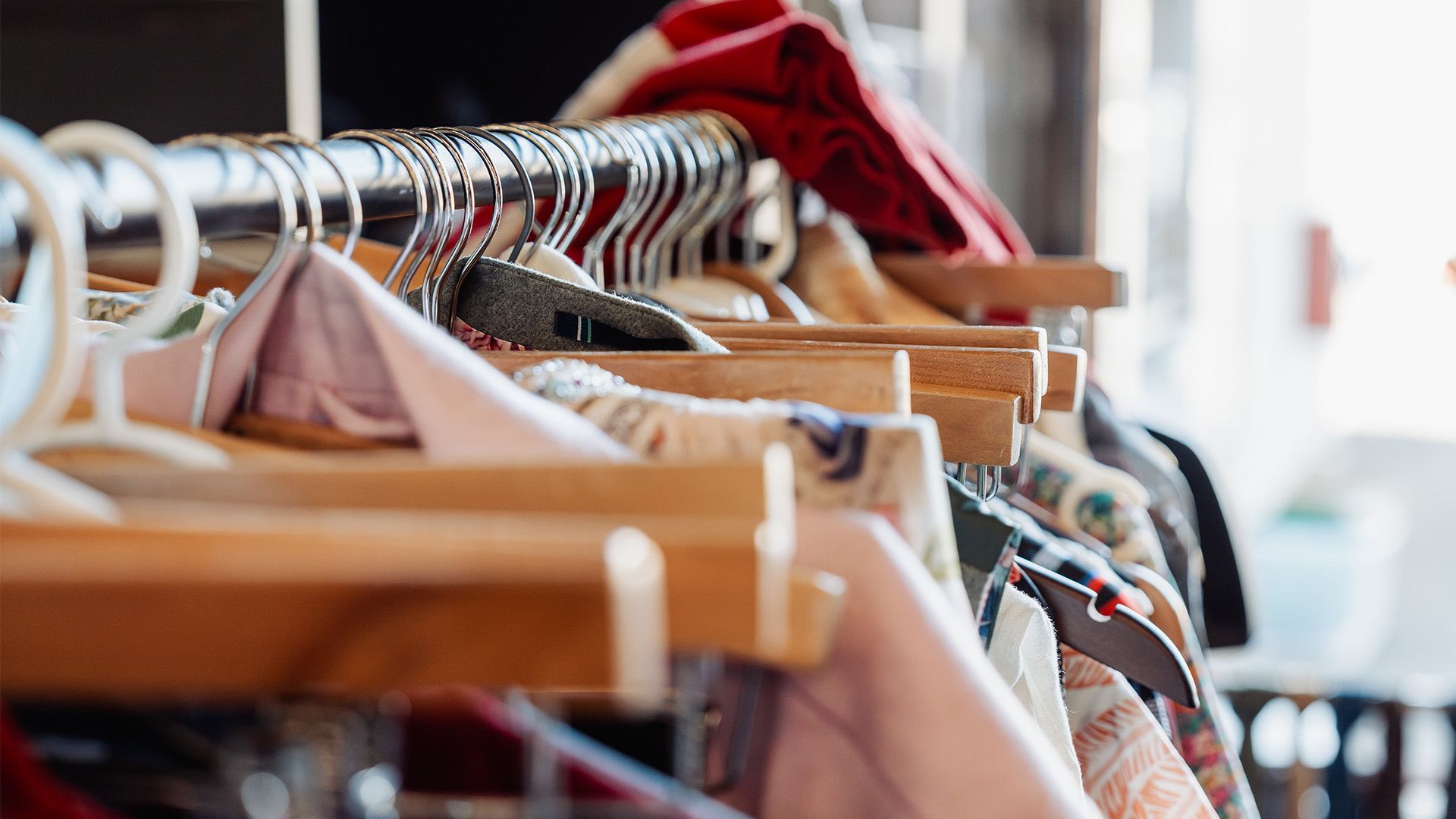
Textile waste refers to any material made from fibres, fabrics or clothing that is discarded or no longer usable. This waste stream encompasses a wide range of materials including clothing, carpets, curtains, upholstery, and industrial textiles. It poses significant environmental, social and economic challenges, which are becoming increasing urgent as fast fashion and the consumption of clothing and textiles rise.
Textile waste can also originate from various stages of the supply chain, including offcuts, scraps and defective materials generated during the manufacturing process. The production of textiles requires significant natural resources such as water, energy and raw materials. As a large proportion of textile waste currently ends up in landfill, these resources become wasted, and some synthetic fibres like polyester can take hundreds of years to decompose.
Although there are some available avenues for textiles recycling in Queensland, this infrastructure is limited and often hampered by the complexity of the materials which can be made from blended fibres that are difficult to separate and recycle effectively and cost-efficiently.
Read about innovative textile recovery the Queensland Government has supported.