Queensland is heating up – safety tips
Queensland is Australia’s most biodiverse state. We’ve got five World Heritage areas – from ancient rainforests to the reef – and more than 1,000 protected areas across the state.
Our natural environment is as breathtaking as it is unique. Whether you live in the Far North or South East, we can guarantee you’ve got stunning natural landscapes nearby.
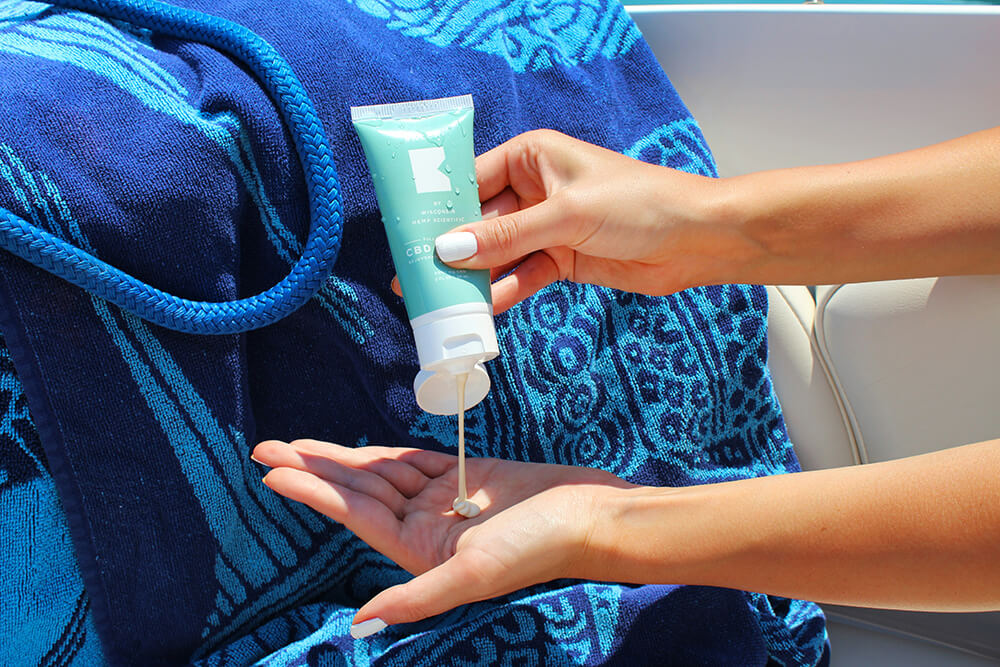 Person squeezing sunscreen onto hand. Image sourced from Unsplash (credit: BATCH by Wisconsin Hemp Scientific)
As summer creeps closer, we’ve got the chance to soak up the best of our state while keeping ourselves, our environment and our fellow Queenslanders safe.
Camping and bushwalking
Queensland has over 500 camping areas – from remote off-grid campsites to well-equipped camping areas blending nature and comfort.
Here are a few camping safety tips:
- Plan carefully – check condition of vehicle(s) and equipment.
- Read signs and information carefully. Pay attention to safety warnings.
- Stay alert for sudden weather changes and be prepared to evacuate.
- Wear protective clothing to avoid sunburn, bites, scratches and stings.
More safety tips and a checklist for campers.
We’ve got incredible walking trails that showcase Queensland’s diverse landscapes; from easy walks to multi-day hikes and Great Walks.
These tracks are graded from one to five, and in some parks, they may be described as ‘easy’, ‘moderate’ or ‘difficult’ – so pay attention to signage and know your limits.
Your options for short walks are almost endless. More challenging bushwalking experiences are found in many parks and forests.
Search for easy or harder walks.
Fire safety
Queensland is well into its higher risk bushfire period, and heightened conditions will continue over the coming months.
“It is important to be aware of your surroundings and report unattended fires to Triple Zero (000) immediately,” Rural Fire Service Queensland Acting Deputy Chief Officer Craig Magick says.
“The Queensland Fire Department is prepared and ready to respond to these incidents, but it is also important everyone stays across the Fire Danger Rating (FDR) and any local fire bans in the area.”
Queensland Fire and Rescue Assistant Commissioner Mark Stuart said people should ensure their household has a home fire escape plan in place.
“No matter where you live in Queensland, you will be required to have interconnected smoke alarms by 1 January 2027,” AC Stuart says.
“This includes all registered caravans and motorhomes in Queensland which need at least one working smoke alarm installed inside the ceiling, as well as one recommended in the annexe if you sleep there.”
View current bushfire warnings and incidents.
Sun safety
As much as we love fun in the sun, it comes with significant risks.
Ultraviolet (UV) radiation causes skin damage when the UV Index is high. In Queensland, the UV Index is three or above year-round.
Chief Health Officer Dr Marianne Gale says that being aware of the dangers of exposure and getting to know your skin can protect you.
“Queenslanders spend a lot of time outdoors, and if you’re not careful it is very easy to get too much UV exposure from the sun which can lead to skin damage and even skin cancer,” Dr Gale says.
In 2024, almost one in two adults and children reported being sunburnt in the previous 12 months.
“If you notice any moles, freckles or lumps that have changed shape or colour, or any new lumps or sores that haven’t healed within four to six weeks, go see your GP or a skin specialist,” Dr Gale says.
View the real-time UV radiation index.
- Last updated:
- 6 October 2026